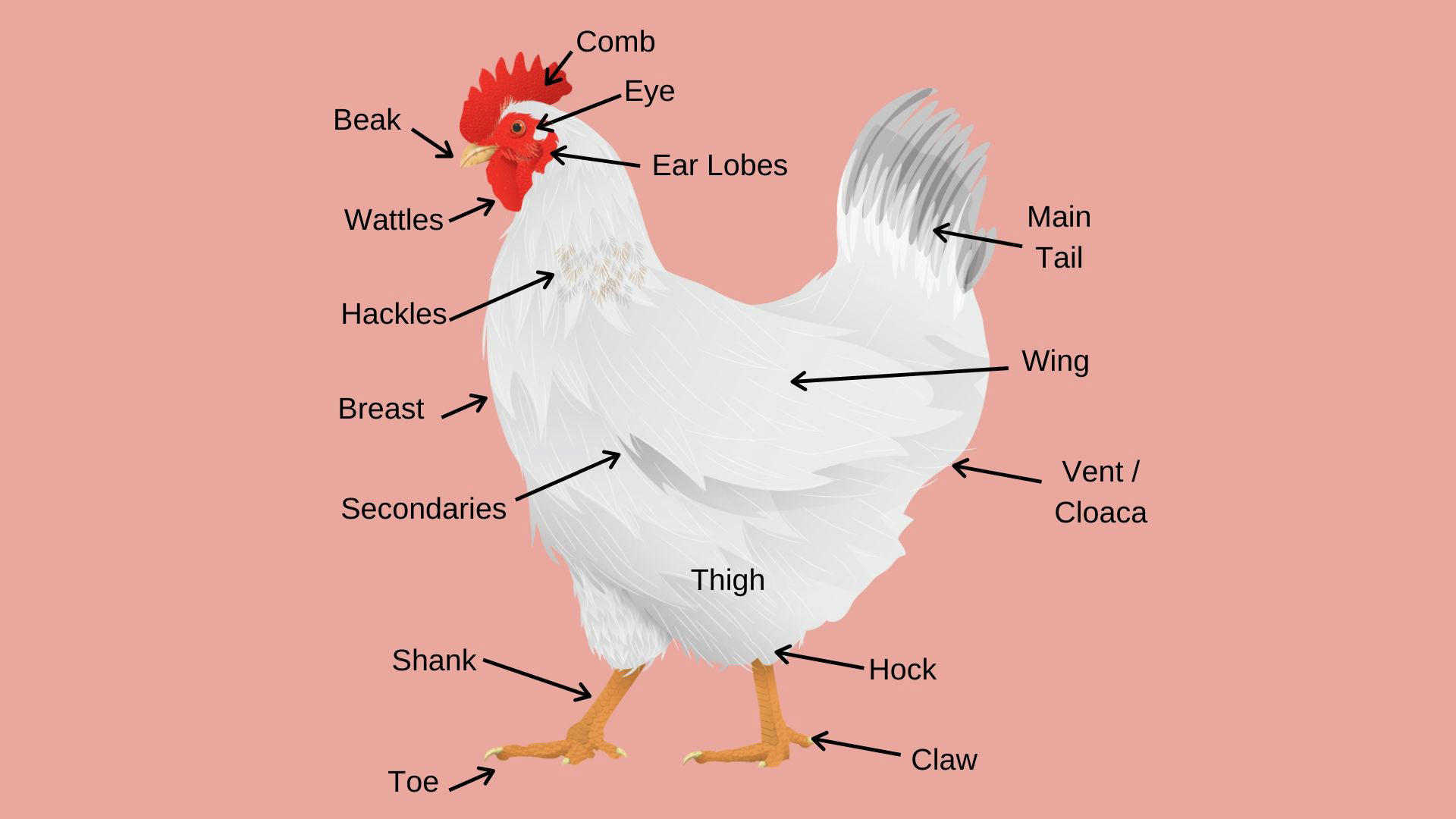
Mollejas, also known as sweetbreads, are a culinary delicacy often found on menus in top restaurants around the world. However, despite their popularity, many people are unsure what part of the chicken mollejas come from. The term "mollejas" actually refers to the thymus gland of the chicken, which is responsible for producing T-cells, an important part of the immune system. In young chickens, the thymus gland is relatively large and tender, making it a sought-after ingredient for chefs and gourmets.
When preparing mollejas, it is important to remove the outer membrane that surrounds the gland. This can be done by carefully peeling it away with a sharp knife. Once the membrane has been removed, the mollejas can be cooked in a variety of ways, including sautéing, grilling, or braising. They are often served with a rich sauce or gravy, and can be paired with a variety of side dishes. Due to their unique flavor and texture, mollejas are a versatile ingredient that can add a touch of sophistication to any meal.
What Is Mollejas?
Mollejas, also known as chicken gizzards or edible gizzards, are a type of offal food, which refers to the internal organs of an animal that are used for culinary purposes. Specifically, mollejas refer to the muscular stomachs of chickens, which play a vital role in the digestive process of these birds. As chickens lack teeth, gizzards serve as a grinding mechanism, breaking down ingested food into smaller particles that can be more easily digested.
Mollejas have a distinct texture and flavor, often described as chewy or firm, with a slightly gamey taste. They are commonly used in a variety of cuisines worldwide, particularly in traditional dishes and stews. In some cultures, mollejas are considered a delicacy and are often used in high-end restaurants and culinary preparations. When cooked properly, mollejas offer a unique and flavorful dining experience.
What is Mollejas?
Mollejas, also known as sweetbreads, are a type of edible organ meat that comes from the thymus gland or pancreas of an animal. They are typically consumed by humans and are considered a delicacy in many cultures.
Nutritional Value of Mollejas
Mollejas are a good source of several essential nutrients, including:
- Protein: Mollejas are high in protein, which is essential for building and repairing tissues.
- Iron: Mollejas are a good source of iron, which is necessary for carrying oxygen throughout the body.
- Vitamin B12: Mollejas are a good source of vitamin B12, which is essential for nerve function and the production of red blood cells.
- Zinc: Mollejas are a good source of zinc, which is essential for immune function and wound healing.
Health Benefits of Eating Mollejas
There are several potential health benefits to eating mollejas, including:
- Reduced risk of heart disease: The high levels of protein and iron in mollejas can help to reduce the risk of heart disease by lowering cholesterol levels and improving blood flow.
- Improved immune function: The high levels of zinc in mollejas can help to improve immune function by boosting the production of white blood cells.
- Reduced risk of anemia: The high levels of iron in mollejas can help to reduce the risk of anemia by increasing the production of red blood cells.
How to Cook Mollejas
Mollejas can be cooked in a variety of ways, including:
- Pan-frying: Mollejas can be pan-fried in butter or oil until they are golden brown.
- Grilling: Mollejas can be grilled over medium heat until they are cooked through.
- Baking: Mollejas can be baked in a preheated oven at 350 degrees Fahrenheit for 15-20 minutes, or until they are cooked through.
Conclusion
Mollejas are a nutritious and delicious organ meat that can be enjoyed in a variety of ways. They are a good source of protein, iron, vitamin B12, and zinc, and they offer several potential health benefits, including reduced risk of heart disease, improved immune function, and reduced risk of anemia.
Health Benefits of Mollejas
Mollejas, also known as chicken gizzards, are a type of offal that is often overlooked as a culinary delicacy. However, these unassuming organs are packed with a surprising array of nutrients and offer several potential health benefits. Here's why you should consider adding mollejas to your diet:
1. Rich in Protein:
Mollejas are an excellent source of protein, which is essential for building and repairing tissues, producing enzymes, and regulating hormones. They provide around 18 grams of protein per 100-gram serving.
2. High in Iron:
Mollejas are a good source of iron, a mineral that is necessary for red blood cell production and oxygen transport throughout the body. Iron deficiency can lead to fatigue, shortness of breath, and pale skin.
3. Good Source of Zinc:
Zinc is a vital nutrient for immune function, cell growth, and wound healing. Mollejas contain a significant amount of zinc, making them a beneficial food for boosting the immune system and promoting overall well-being.
4. Contains Selenium:
Selenium is a potent antioxidant that helps protect the body against oxidative damage and inflammation. Mollejas are a good source of selenium, providing about 20% of the recommended daily intake in a 100-gram serving.
5. Low in Calories and Fat:
Despite their nutritional value, mollejas are relatively low in calories and fat. A 100-gram serving contains only about 120 calories and 5 grams of fat, making them a lean and healthy addition to your diet.
6. Good for Gut Health:
Mollejas contain a type of soluble fiber known as chitin, which has been shown to promote the growth of beneficial bacteria in the gut. A healthy gut microbiome is crucial for digestive health, immune function, and overall well-being.
7. May Reduce Inflammation:
Some studies suggest that mollejas may have anti-inflammatory properties due to their high levels of antioxidants and zinc. Chronic inflammation has been linked to a variety of health conditions, so consuming mollejas may help reduce inflammation and improve overall health.
8. Easy to Cook:
Mollejas are versatile and easy to cook. They can be sautéed, grilled, or stewed. Their chewy texture and mild flavor make them a great addition to stir-fries, salads, or soups.
Culinary Uses of Mollejas
Mollejas, also known as chicken gizzards, are a type of offal that is often used in cooking. They are a good source of protein and iron, and they have a unique chewy texture that makes them a popular addition to many dishes.
Mollejas can be cooked in a variety of ways, but they are most commonly fried, stewed, or grilled. They can also be used in soups, stews, and casseroles. When cooked properly, mollejas are tender and flavorful, with a slightly gamey flavor.
Here are some of the most popular culinary uses of mollejas:
- Fried mollejas are a popular street food in many parts of the world. They are typically marinated in a mixture of spices and then fried until crispy. Fried mollejas can be served with a variety of dipping sauces.
- Stewed mollejas are a common ingredient in many traditional dishes. They are typically stewed in a flavorful broth with vegetables and spices. Stewed mollejas are tender and flavorful, and they make a great addition to any meal.
- Grilled mollejas are a healthy and delicious way to cook this offal. They are typically marinated in a mixture of spices and then grilled until cooked through. Grilled mollejas can be served with a variety of dipping sauces or sides.
- Mollejas tacos are a popular street food in Mexico. They are made with fried or stewed mollejas that are served in a corn tortilla with a variety of toppings, such as onions, cilantro, and salsa.
- Mollejas soup is a hearty and flavorful soup that is made with stewed mollejas, vegetables, and spices. Mollejas soup is a popular dish in many parts of the world, and it is often served as a main course or as a side dish.
Mollejas are a versatile and delicious offal that can be used in a variety of dishes. They are a good source of protein and iron, and they have a unique chewy texture that makes them a popular addition to many meals.
Storage and Handling of Mollejas
Mollejas, also known as chicken gizzards, are a type of offal that is often used in cooking. They are a good source of protein and iron, and they can be cooked in a variety of ways. However, it is important to note that they must be handled and stored properly in order to prevent spoilage.
How to Store Mollejas
Mollejas should be stored in the refrigerator for up to 2 days. They can also be frozen for up to 3 months. To freeze mollejas, place them in a freezer-safe bag or container. Thaw them in the refrigerator overnight before cooking.
How to Handle Mollejas
When handling mollejas, it is important to wash them thoroughly with cold water. This will help to remove any bacteria or dirt. Be sure to remove the tough outer membrane before cooking. This can be done by using a sharp knife to cut around the edge of the membrane and then peeling it off.
Tips for Cooking Mollejas
Mollejas can be cooked in a variety of ways. They can be grilled, fried, sautéed, or braised. When cooking mollejas, it is important to cook them until they are tender. This can take anywhere from 30 minutes to 2 hours, depending on the cooking method. Here are some tips for cooking mollejas: Grill mollejas over medium heat for 10-15 minutes per side, or until they are cooked through. Fry mollejas in hot oil for 5-7 minutes per side, or until they are golden brown and cooked through. Sauté mollejas in a pan with oil over medium heat for 10-12 minutes, or until they are cooked through. Braised mollejas in a covered pot with a small amount of liquid for 1-2 hours, or until they are tender.
Conclusion
Mollejas are a delicious and nutritious part of the chicken that can be enjoyed in a variety of dishes. They are a good source of protein, vitamins, and minerals, and they are also relatively low in fat. If you are looking for a new and exciting way to enjoy chicken, give mollejas a try.
Frequently Questions
What part of the chicken is Mollejas?Mollejas is the Spanish word for gizzards, which is a muscular organ in the digestive system of birds. In chickens, the gizzard is located between the proventriculus (stomach) and the small intestine. It is responsible for grinding and digesting food.
What is the texture of Mollejas?
Mollejas has a firm, slightly chewy texture. It is often cooked until tender and can be served as a main course or appetizer.
What does Mollejas taste like?
Mollejas has a mild, slightly gamey flavor. It is often cooked with spices and herbs to enhance its taste
How is Mollejas typically cooked?
Mollejas can be cooked in a variety of ways, including frying, grilling, and stewing. It is often marinated or seasoned before cooking to enhance its flavor
Is Mollejas healthy to eat?
Mollejas is a good source of protein and iron. It is also low in fat and calories. However, it is important to cook it thoroughly to avoid食源性疾病.