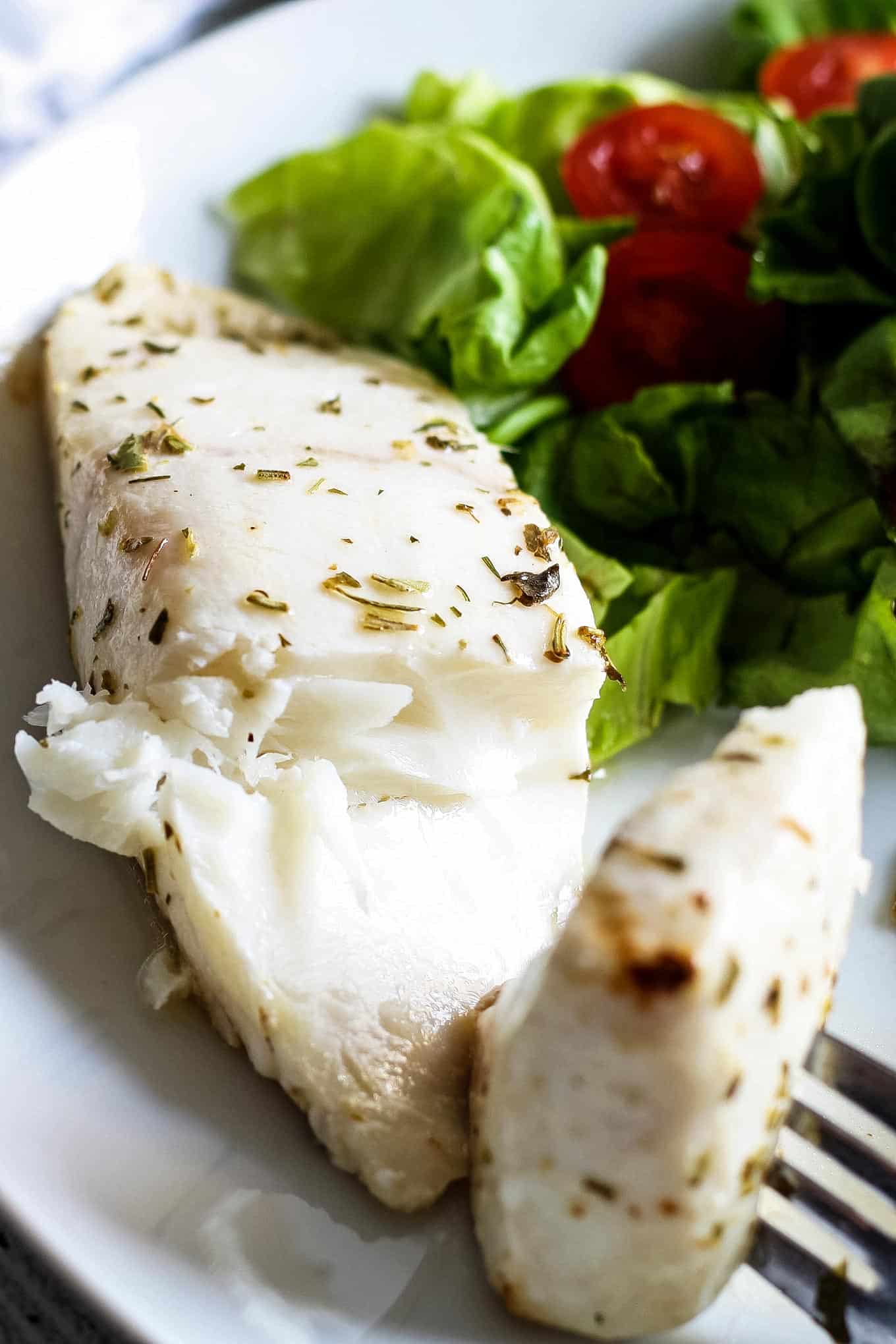
Delve into the culinary realm of halibut, where understanding the optimal cooking temperature is paramount. This esteemed flatfish boasts a delicate texture and mild flavor, making it a versatile delicacy that can be prepared in myriad ways. Whether you're a seasoned chef or an aspiring home cook, uncovering the ideal temperature to cook halibut is essential for unlocking its full potential.
To ensure that your halibut delights your palate with its succulent flesh and exquisite flavor, it's crucial to know when it has reached its optimal doneness. We'll delve into the recommended internal temperatures and different cooking methods to guide you towards perfectly cooked halibut every time. From the gentle touch of steaming to the intense heat of grilling, each method presents unique considerations. So, let's embark on this culinary journey and uncover the secrets to cooking halibut to perfection.
What Temperature Should Halibut Be Cooked To?
Halibut is a delicate fish that can be easily overcooked. It is important to cook halibut to the correct temperature to ensure that it is cooked through but still moist and flaky. The best way to check the internal temperature of halibut is to use a meat thermometer. Insert the thermometer into the thickest part of the fish, being careful not to touch the bone. The fish is cooked when the internal temperature reaches 145 degrees Fahrenheit.
If you do not have a meat thermometer, you can cook halibut until it flakes easily with a fork. However, it is important to be aware that the fish may be overcooked if you wait until it flakes. It is better to err on the side of caution and cook the fish to a slightly lower temperature.
Here are some tips for cooking halibut to the correct temperature:
- Use a meat thermometer to check the internal temperature of the fish.
- Cook the fish to an internal temperature of 145 degrees Fahrenheit.
- If you do not have a meat thermometer, cook the fish until it flakes easily with a fork, but be aware that the fish may be overcooked if you wait until it flakes.
- Err on the side of caution and cook the fish to a slightly lower temperature.
FDA Temperature Recommendations for Cooking Halibut
To ensure the safety and quality of your halibut, it's important to cook it to the proper internal temperature. The Food and Drug Administration (FDA) recommends cooking halibut to an internal temperature of 145 degrees Fahrenheit (63 degrees Celsius). This temperature is high enough to kill any harmful bacteria or parasites that may be present in the fish.
How to Check the Internal Temperature of Halibut
To check the internal temperature of halibut, you will need a food thermometer. Insert the thermometer into the thickest part of the fish, making sure not to touch the pan or the grill. The temperature should read 145 degrees Fahrenheit (63 degrees Celsius) when the fish is done cooking.
Tips for Cooking Halibut to the Proper Temperature
Here are some tips for cooking halibut to the proper internal temperature:
- Use a food thermometer to ensure accuracy.
- Cook the fish over medium heat to prevent overcooking.
- Check the internal temperature of the fish frequently, especially towards the end of the cooking time.
- Remove the fish from the heat source once it reaches the desired internal temperature.
- Let the fish rest for a few minutes before serving to allow the juices to redistribute.
Benefits of Properly Cooking Halibut
Cooking halibut to the proper internal temperature has several benefits, including:
- Ensuring the safety of the fish by killing any harmful bacteria or parasites.
- Improving the texture and flavor of the fish.
- Preventing the fish from becoming dry or overcooked.
Conclusion
Following the FDA's temperature recommendations for cooking halibut is important for ensuring the safety and quality of your fish. By cooking halibut to an internal temperature of 145 degrees Fahrenheit (63 degrees Celsius), you can enjoy a delicious and nutritious meal.
How to Measure Temperature
There are a few different ways to measure the temperature of halibut. The most accurate method is to use a meat thermometer, which can be inserted into the thickest part of the fish. The thermometer should be inserted at an angle, so that it reaches the center of the fish. The ideal temperature for cooked halibut is 145 degrees Fahrenheit.
If you don't have a meat thermometer, you can also use the touch test to check the temperature of halibut. The fish should be firm to the touch, but not hard. If the fish is still soft, it needs to be cooked for a little longer. If the fish is hard, it is overcooked.
Another way to check the temperature of halibut is to use the fork test. The fish should flake easily when cooked. If the fish does not flake easily, it needs to be cooked for a little longer.
Different Cooking Methods for Halibut
Halibut is a versatile fish that can be cooked in a variety of ways. The best temperature to cook halibut to depends on the cooking method you are using.
Baking:
- Preheat oven to 400 degrees Fahrenheit (200 degrees Celsius).
- Place halibut fillets on a baking sheet lined with parchment paper.
- Bake for 12-15 minutes, or until the fish is cooked through.
- The internal temperature of the fish should reach 145 degrees Fahrenheit (63 degrees Celsius).
Broiling:
- Preheat broiler to high.
- Place halibut fillets on a broiler pan lined with foil.
- Broil for 8-10 minutes, or until the fish is cooked through.
- The internal temperature of the fish should reach 145 degrees Fahrenheit (63 degrees Celsius).
Pan-frying:
- Heat a large skillet over medium heat.
- Add olive oil and butter to the skillet.
- Place halibut fillets in the skillet and cook for 3-4 minutes per side, or until the fish is cooked through.
- The internal temperature of the fish should reach 145 degrees Fahrenheit (63 degrees Celsius).
Grilling:
- Preheat grill to medium-high heat.
- Place halibut fillets on the grill and cook for 4-5 minutes per side, or until the fish is cooked through.
- The internal temperature of the fish should reach 145 degrees Fahrenheit (63 degrees Celsius).
Poaching:
- Bring a large pot of water to a simmer.
- Add halibut fillets to the pot and cook for 8-10 minutes, or until the fish is cooked through.
- The internal temperature of the fish should reach 145 degrees Fahrenheit (63 degrees Celsius).
Steaming:
- Fill a steamer with 2 inches of water.
- Place halibut fillets in the steamer and steam for 8-10 minutes, or until the fish is cooked through.
- The internal temperature of the fish should reach 145 degrees Fahrenheit (63 degrees Celsius).
Doneness Levels
When cooking halibut, it is important to cook it to the proper internal temperature to ensure that it is safe to eat and that it has the best possible texture and flavor. The Food and Drug Administration (FDA) recommends cooking fish to an internal temperature of 145 degrees Fahrenheit (63 degrees Celsius). This temperature kills bacteria and parasites that may be present in the fish and prevents foodborne illness.
In addition to the FDA's recommendation, there are other doneness levels that you may prefer, depending on your personal taste. Some people prefer to cook halibut to a lower internal temperature, such as 135 degrees Fahrenheit (57 degrees Celsius). This results in a more tender and flaky fish, but it is important to note that cooking fish to a lower temperature increases the risk of foodborne illness.
If you are unsure what internal temperature to cook halibut to, it is best to err on the side of caution and cook it to the FDA's recommended temperature of 145 degrees Fahrenheit (63 degrees Celsius). This will ensure that the fish is safe to eat and that it has the best possible texture and flavor.
Here is a summary of the different doneness levels for halibut:
- Rare: 125-130 degrees Fahrenheit (52-54 degrees Celsius)
- Medium-rare: 130-135 degrees Fahrenheit (54-57 degrees Celsius)
- Medium: 135-140 degrees Fahrenheit (57-60 degrees Celsius)
- Medium-well: 140-145 degrees Fahrenheit (60-63 degrees Celsius)
- Well-done: 145 degrees Fahrenheit (63 degrees Celsius)
No matter what doneness level you choose, it is important to cook halibut evenly throughout. This will help to prevent the fish from being undercooked or overcooked. To ensure even cooking, use a meat thermometer to check the internal temperature of the fish in the thickest part of the fillet.
What Temperature Should Halibut Be Cooked To?
Halibut, a type of flatfish, is a popular choice for seafood lovers due to its mild, flaky texture and subtle flavour. When cooked correctly, halibut can be a delicious and healthy addition to any meal.
The ideal internal temperature for cooked halibut is 145 degrees Fahrenheit (63 degrees Celsius). This temperature ensures that the halibut is cooked through while still remaining moist and tender. If the halibut is cooked to a higher temperature, it can become dry and tough.
To check the internal temperature of halibut, insert a meat thermometer into the thickest part of the fish, being careful not to touch any bones. Once the thermometer reaches 145 degrees Fahrenheit, remove the halibut from the heat and allow it to rest for a few minutes before serving.
Here are some tips for cooking halibut to the perfect temperature:
- For baking halibut, cook at 400 degrees Fahrenheit (200 degrees Celsius) for 10-12 minutes per inch of thickness.
- For pan-searing halibut, heat a skillet over medium-high heat. Add oil to the skillet and place the halibut in the skillet. Cook for 3-4 minutes per side or until the halibut is browned and cooked through.
- For poaching halibut, bring a pot of water or broth to a boil. Add the halibut to the pot and reduce heat to low. Simmer for 10-12 minutes per inch of thickness or until the halibut is cooked through.
Once the halibut has been cooked to the desired temperature, remove it from the heat and allow it to rest for a few minutes before serving. This will allow the halibut to carryover cook and become even more tender and juicy.
Consequences of Undercooking or Overcooking Halibut
Halibut is a delicious and versatile fish that can be cooked in a variety of ways. However, it is important to cook halibut to the correct temperature to ensure that it is safe to eat and enjoyable to eat.
Undercooked halibut can contain harmful bacteria that can cause food poisoning. Symptoms of food poisoning can include nausea, vomiting, diarrhea, and abdominal cramps. In some cases, food poisoning can be serious and even life-threatening.
Overcooked halibut is dry, tough, and bland. It is also less nutritious than properly cooked halibut.
The ideal internal temperature for cooked halibut is 145 degrees Fahrenheit.
To ensure that halibut is cooked to the correct temperature, use a food thermometer to measure the internal temperature of the fish. Insert the thermometer into the thickest part of the fish, being careful not to touch the bone.
If you do not have a food thermometer, you can also cook halibut by sight. When halibut is cooked through, it will be opaque and flake easily with a fork.
Safe Handling Practices for Perfect Halibut
Halibut is a versatile and delicious fish that can be cooked in a variety of ways. However, it's important to ensure that your halibut is cooked to the proper temperature to enjoy it fully while maintaining safety standards. Undercooking or overcooking can significantly impact your dining experience and potentially lead to health concerns. This article delves into the intricacies of halibut cooking temperatures, providing you with the necessary knowledge to achieve perfectly cooked halibut every time.
The ideal internal temperature for cooked halibut is 145 degrees Fahrenheit (63 degrees Celsius). At this temperature, the fish will be cooked through, tender, and flaky, while retaining its delicate flavor and moist texture. Cooking halibut to the proper temperature not only ensures a satisfying culinary experience but also minimizes the risk of foodborne illnesses.
Internal Temperature Measurement
To accurately measure the internal temperature of your halibut, insert a food thermometer into the thickest part of the fish, avoiding any bones. The thermometer should be inserted at a slight angle towards the center, ensuring that it reaches the middle of the fish. Once inserted, leave the thermometer in place for a few seconds to obtain an accurate reading.
Cooking Methods and Temperatures
The cooking method you choose will influence the rate at which your halibut cooks. Here are some common cooking methods and the corresponding temperatures to aim for:
- Baking: Bake your halibut at 400 degrees Fahrenheit (200 degrees Celsius) for 12-15 minutes per inch of thickness.
- Poaching: Poach your halibut in a court bouillon or flavorful liquid at 145 degrees Fahrenheit (63 degrees Celsius) for 8-10 minutes per inch of thickness.
- Pan-Searing: Pan-sear your halibut over medium-high heat, cooking for 3-4 minutes per side or until the internal temperature reaches 145 degrees Fahrenheit (63 degrees Celsius).
- Grilling: Grill your halibut over medium heat, cooking for 5-7 minutes per side or until the internal temperature reaches 145 degrees Fahrenheit (63 degrees Celsius).
Always keep in mind that cooking times may vary slightly depending on the size, shape, and thickness of your halibut fillet. It's advisable to use a food thermometer to ensure accuracy.
Consequences of Improper Cooking
Improperly cooked halibut can have detrimental consequences for both your health and the quality of your meal:
- Undercooked Halibut: Consuming undercooked halibut increases the risk of foodborne illnesses, such as salmonella, due to the presence of harmful bacteria.
- Overcooked Halibut: Overcooked halibut becomes tough, dry, and loses its delicate flavor, diminishing your dining experience.
By adhering to the recommended internal temperature of 145 degrees Fahrenheit (63 degrees Celsius) and using appropriate cooking methods, you can confidently cook halibut to perfection, safeguarding your health and tantalizing your taste buds.
Safe Storage and Handling
In addition to cooking your halibut to the correct temperature, practicing proper storage and handling techniques is crucial to ensure its quality and safety:
- Refrigeration: Store fresh halibut in the refrigerator for up to two days before cooking.
- Freezing: Freeze halibut for extended storage, but thaw it properly in the refrigerator before cooking.
- Thawing: Thaw frozen halibut gradually in the refrigerator overnight or under cold running water.
- Avoid Cross-Contamination: Keep raw halibut separate from cooked foods and other raw ingredients to prevent cross-contamination of bacteria.
- Clean Surfaces: Regularly clean and disinfect surfaces that come into contact with raw halibut to prevent the spread of bacteria.
By following these safe handling practices, you can minimize the risk of foodborne illnesses and enjoy delicious, perfectly cooked halibut.
Conclusion
Cooking halibut to the optimal internal temperature of 145 degrees Fahrenheit (63 degrees Celsius) is paramount for both safety and culinary excellence. Using a food thermometer, choosing the appropriate cooking method, and practicing proper storage and handling techniques will empower you to prepare delectable halibut dishes that impress your palate and safeguard your well-being. Remember, the journey to culinary mastery begins with a deep understanding of safe handling practices.
What temperature should halibut be cooked to?
Halibut is a versatile fish that can be cooked in a variety of ways. However, it is important to cook halibut to the proper internal temperature to ensure that it is safe to eat and has the best texture.
The Food and Drug Administration (FDA) recommends cooking fish to an internal temperature of 145 degrees Fahrenheit (63 degrees Celsius). This temperature is high enough to kill any bacteria that may be present in the fish, but it is not so high that the fish will become overcooked and dry.
There are a few different ways to check the internal temperature of halibut. One way is to use a meat thermometer. Insert the thermometer into the thickest part of the fish, making sure not to touch the pan or the grill. The thermometer should read 145 degrees Fahrenheit when the fish is done cooking.
Another way to check the internal temperature of halibut is to use the fork test. Insert a fork into the thickest part of the fish. If the fish flakes easily and there is no pink or translucent flesh remaining, the fish is done cooking.
Once the halibut is cooked to the proper internal temperature, remove it from the heat and let it rest for a few minutes before serving. This will allow the juices to distribute throughout the fish, resulting in a more flavorful and moist dish.
Frequently Asked Questions
What is the internal temperature that halibut should be cooked to?
Halibut, like other fish, should be cooked to an internal temperature of 145 degrees Fahrenheit, as recommended by the FDA. This temperature ensures that the fish is cooked thoroughly, killing any potential bacteria or parasites that may be present, while still maintaining its moist and flaky texture.
How can I check the internal temperature of halibut?
To accurately check the internal temperature of halibut, insert a meat thermometer into the thickest part of the fish, ensuring that the tip of the thermometer is not touching any bones. Hold the thermometer in place for a few seconds, then remove it and read the temperature. If it has reached 145 degrees Fahrenheit, the halibut is cooked to a safe internal temperature.
Is it safe to eat halibut cooked to a lower temperature?
Consuming halibut cooked to a temperature below 145 degrees Fahrenheit is not recommended. Undercooked fish may contain harmful bacteria or parasites that can cause foodborne illnesses. Therefore, it's crucial to ensure that the fish is cooked thoroughly by reaching the recommended internal temperature.
Can I cook halibut to a higher temperature?
While cooking halibut to a higher temperature will ensure thorough cooking, it's important to avoid overcooking, as this can result in dry and tough fish. Cooking halibut for an extended period at a high temperature can also lead to the loss of its delicate flavor and nutrients.
What are some tips for cooking halibut perfectly?
To achieve perfectly cooked halibut, consider these tips: Preheat your cooking equipment to the desired temperature, season the fish generously with salt and pepper, and use a reliable meat thermometer to ensure accurate temperature measurement. Additionally, avoid overcooking and adjust the cooking time based on the thickness of the fish and the cooking method used.