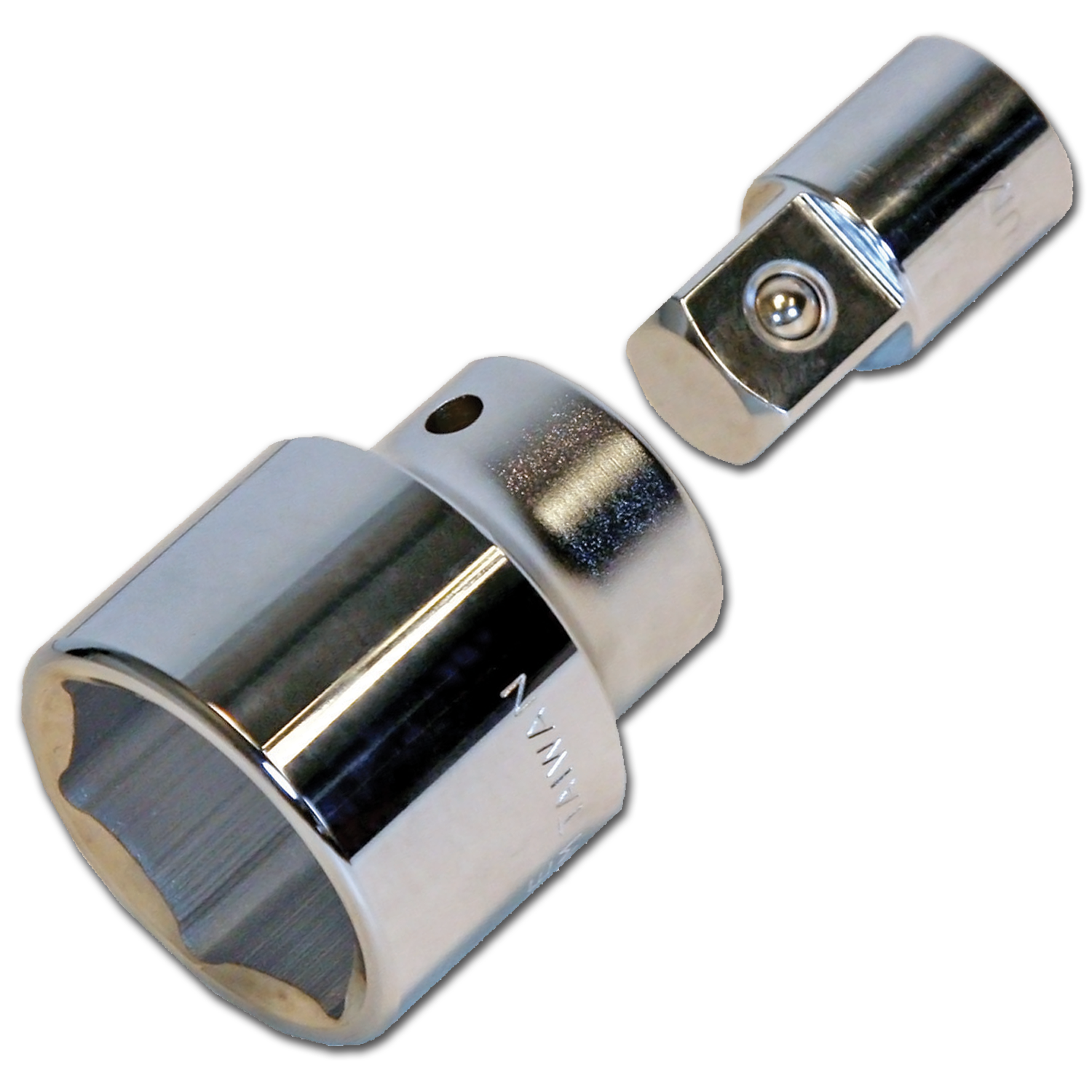
When it comes to home maintenance, the water heater is often overlooked. However, this essential appliance deserves your attention, especially when it starts giving you trouble. One of the most common issues with water heaters is a faulty heating element. This can lead to a variety of problems, including reduced hot water, increased energy bills, and even a complete system failure.
If you're experiencing any of these issues, it's important to check the heating element. In most cases, replacing the element is a relatively simple and inexpensive repair that you can do yourself. However, it's important to choose the right size socket for the job. Using the wrong size socket can damage the element or the water heater itself.
Types of Water Heaters
Water heaters come in a variety of types, each with its own advantages and disadvantages. The most common type of water heater is the electric resistance water heater, which uses electricity to heat water. Electric resistance water heaters are relatively inexpensive to purchase and install, and they are easy to maintain. However, they are less energy-efficient than other types of water heaters, and they can take a long time to heat up.
Another type of water heater is the gas water heater, which uses natural gas or propane to heat water. Gas water heaters are more energy-efficient than electric resistance water heaters, and they can heat up water more quickly. However, they are more expensive to purchase and install, and they require a gas line to be connected to the water heater.
Tankless water heaters are a third type of water heater that is becoming increasingly popular. Tankless water heaters heat water on demand, so they do not have to store hot water in a tank. This makes them more energy-efficient than other types of water heaters, and they can provide a continuous supply of hot water. However, tankless water heaters are more expensive to purchase and install than other types of water heaters.
The type of water heater that is best for you will depend on your specific needs and budget. If you are looking for an inexpensive and easy-to-install water heater, an electric resistance water heater is a good option. If you are looking for a more energy-efficient water heater, a gas water heater or a tankless water heater is a good option.
Standard Socket Sizes for Different Water Heater Types
The size of the socket you need for a water heater element depends on the type of water heater you have. There are two main types of water heaters: electric water heaters and gas water heaters.
Electric Water Heaters
Electric water heaters use a heating element to heat the water. The heating element is located at the bottom of the tank. The socket for the heating element is typically a 1-1/2-inch socket.
Gas Water Heaters
Gas water heaters use a gas burner to heat the water. The gas burner is located at the bottom of the tank. The socket for the gas burner is typically a 7/16-inch socket.
Other Considerations
In addition to the type of water heater, you also need to consider the size of the heating element. The size of the heating element is measured in kilowatts (kW). The higher the kW rating, the more powerful the heating element will be.
The size of the socket you need will also depend on the brand of water heater you have. Different brands of water heaters may use different sizes of sockets.
If you are not sure what size socket you need, you can consult your water heater's manual or contact the manufacturer.
How to Determine the Correct Socket Size for a Water Heater Element
Replacing a water heater element is a relatively simple task that can be completed in a few hours. However, one of the most important steps is choosing the correct socket size for the new element. If the socket is too small, the element will not fit properly and could leak water. If the socket is too large, the element will be loose and could cause electrical problems.
To determine the correct socket size, you will need to measure the diameter of the old element. You can do this with a tape measure or a caliper. Once you have the diameter, you can refer to the following table to find the correct socket size:
| Element Diameter | Socket Size |
|---|---|
| 1 inch | 1-1/16 inch |
| 1-1/8 inch | 1-1/4 inch |
| 1-1/4 inch | 1-3/8 inch |
| 1-3/8 inch | 1-1/2 inch |
If you are replacing an element in an older water heater, the socket size may not be listed in the table. In this case, you will need to measure the socket directly. To do this, use a tape measure to measure the distance between the two terminals on the socket. This measurement will give you the socket size.
Once you have the correct socket size, you can purchase a new element and install it. Be sure to follow the manufacturer's instructions for installation.
Required Tools and Materials
Before you begin working on your water heater element, you will need to gather the necessary tools and materials. This includes:
- A new water heater element
- A socket wrench that fits the size of the nut on the water heater element
- A screwdriver
- A pair of pliers
- A bucket to catch any water that may leak out when you remove the old water heater element
- A length of electrical tape
- Thread sealant
Once you have gathered all of the necessary tools and materials, you can begin working on replacing the water heater element.
Step-by-Step Instructions for Determining the Correct Socket Size for Water Heater Element Replacement
Before you begin, it's crucial to determine the appropriate socket size for your specific water heater element. This size varies depending on the manufacturer and model of your water heater, but typically ranges between 1-1/8" and 1-5/16". Here are the steps to find the correct socket size:
- Identify the manufacturer and model number of your water heater. This information is usually printed on a label located on the front or back of the unit.
- Consult your water heater's owner's manual or refer to the manufacturer's website to find the specified socket size for your model.
- If you do not have access to the owner's manual, you can also measure the hex nut on the water heater element. The socket size should be slightly larger than the hex nut to ensure a secure fit.
Once you have determined the correct socket size, you can proceed with the replacement process.
Safety Precautions
When working with any electrical appliance, it is important to take safety precautions to avoid injury or damage to the appliance. Some specific safety precautions to follow when working with a water heater element include:
- Turn off the power to the water heater at the circuit breaker or fuse panel before starting any work.
- Allow the water heater to cool down completely before touching it or any of its components.
- Wear gloves and safety glasses when handling the water heater element, as it may be sharp.
- Do not attempt to repair or replace the water heater element if you are not qualified to do so. Contact a licensed electrician for assistance.
By following these safety precautions, you can help to ensure that you work on your water heater element safely and effectively.
What Size Socket For Water Heater Element
A water heater element is a critical component that heats the water in your home. If the element fails, you'll be left with cold water. Replacing a water heater element is a relatively simple task that can be completed in about an hour. One of the most important things to do before you start is to determine the size of the socket that you'll need to remove the element.
The size of the socket that you'll need will depend on the make and model of your water heater. To find the correct size, consult your water heater's manual or look for a label on the water heater itself. The label will typically list the size of the socket that is required.
Once you know the size of the socket that you need, you can purchase the appropriate tool. Sockets are available at most hardware stores. When you're purchasing the socket, be sure to get one that is made of a durable material, such as chrome vanadium. This will help to prevent the socket from rounding out or breaking.
Once you have the correct socket, you can begin the process of replacing the water heater element. Be sure to turn off the power to the water heater before you start working on it. You should also drain the water from the water heater to make the job easier.
With the power off and the water drained, you can remove the old water heater element. To do this, simply insert the socket into the element and turn it counterclockwise. The element should come out easily.
Once the old element is removed, you can install the new element. To do this, simply insert the new element into the socket and turn it clockwise until it is tight. Be sure not to overtighten the element, as this could damage it.
Once the new element is installed, you can turn the power back on to the water heater and fill it with water. The water heater will then begin to heat the water.
Replacing a water heater element is a relatively simple task that can be completed in about an hour. By following these steps, you can save yourself the cost of hiring a plumber.
Additional Considerations
Besides the size, there are other factors to consider when replacing a water heater element. These include:
- The wattage: The wattage of the element determines how much heat it will produce. A higher wattage element will produce more heat, but it will also use more electricity.
- The voltage: The voltage of the element must match the voltage of the water heater. If the voltage is too high, it could damage the element or even the water heater. If the voltage is too low, the element will not produce enough heat to heat the water.
- The length: The length of the element must be long enough to reach the bottom of the water heater tank. If the element is too short, it will not be able to heat the water effectively.
- The diameter: The diameter of the element must be large enough to fit into the water heater tank. If the element is too small, it will not be able to transfer heat to the water effectively.
Conclusion
Deciding the right socket size for your water heater element is crucial to ensure proper installation and avoid potential safety hazards. If you encounter any difficulties determining the socket size or replacing the element, don't hesitate to seek the assistance of a qualified electrician to ensure a safe and efficient water heating system.
By following these guidelines and understanding the different socket sizes available, you can confidently replace your water heater element and restore your water heating system to optimal performance. Remember to always prioritize safety when working with electrical components and refer to the manufacturer's instructions or consult a professional electrician when necessary.
Frequently Asked Questions
1. What is the standard size socket for a water heater element?
The standard size socket for a water heater element is a 1-1/16 inch or 1-1/16-inch deep socket wrench. This size socket will fit the hex nut that holds the element in place.
2. Can I use a different size socket to remove a water heater element?
It is not recommended to use a different size socket to remove a water heater element. Using a socket that is too small may strip the hex nut, and using a socket that is too large may damage the element. If you do not have the correct size socket, it is best to rent or borrow one from a friend or neighbor.
3. What other tools will I need to remove a water heater element?
In addition to a 1-1/16 inch socket wrench, you will also need a pair of pliers and a flathead screwdriver. The pliers will be used to grip the element while you remove the hex nut, and the screwdriver will be used to pry the element free from the water heater tank.
4. How do I remove a water heater element?
To remove a water heater element, first turn off the power to the water heater at the circuit breaker or fuse box. Then, drain the water from the tank by attaching a garden hose to the drain valve at the bottom of the tank. Once the tank is empty, you can remove the access panel and locate the element. Use the socket wrench to remove the hex nut and then use the pliers to grip the element and pull it out of the tank.
5. How do I install a new water heater element?
To install a new water heater element, first insert the element into the tank and then tighten the hex nut using the socket wrench. Be sure to tighten the nut securely, but do not overtighten it. Once the nut is tight, you can reassemble the water heater and turn the power back on.