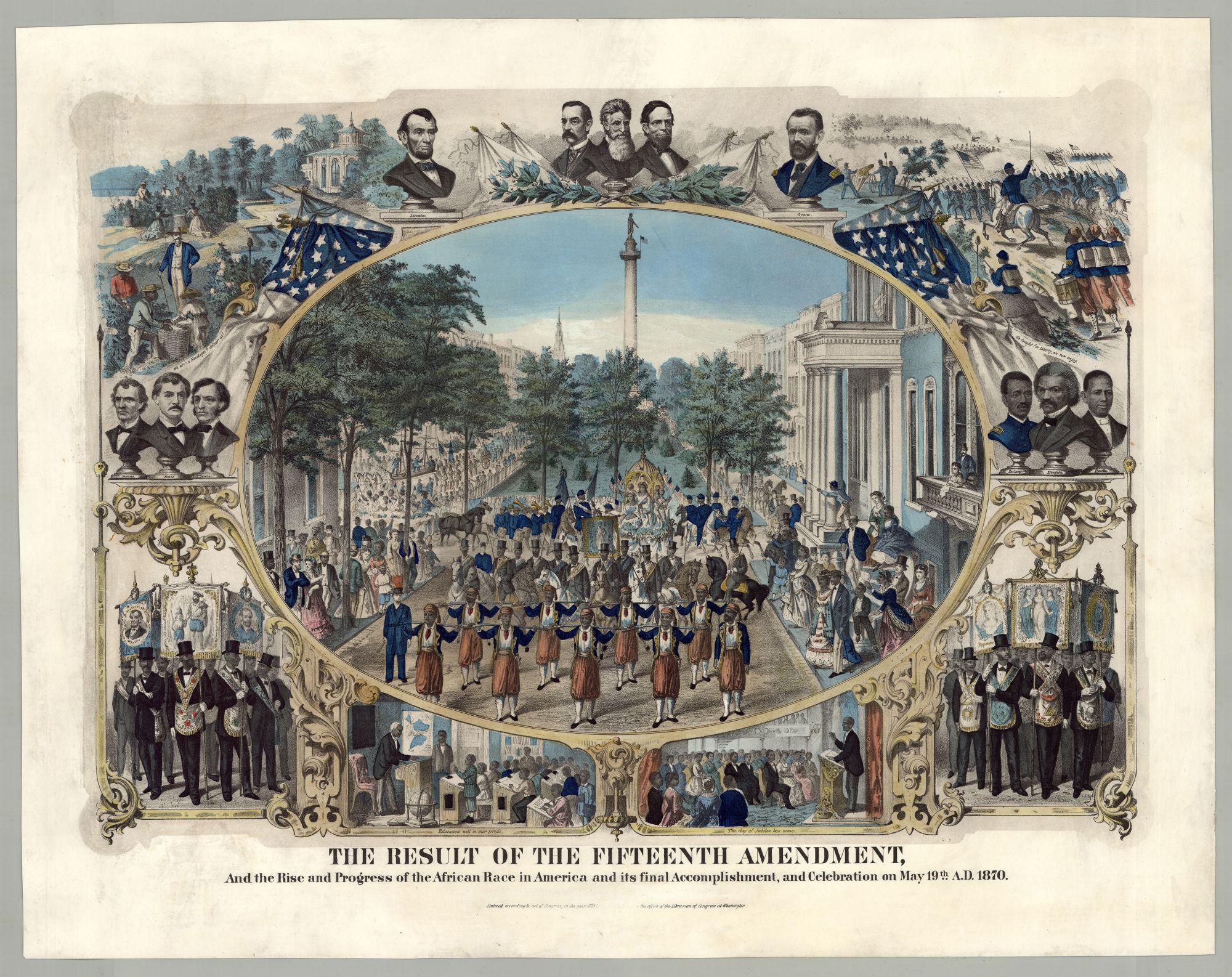
The Twenty-fourth Amendment to the United States Constitution abolished the poll tax as a requirement for voting in federal elections. The amendment was ratified on January 23, 1964, and became effective immediately. The poll tax was a fee that was charged to voters in order to register to vote. The fee was often used as a way to disenfranchise African American voters. The Twenty-fourth Amendment was a major step forward in the fight for voting rights in the United States.
The poll tax was first used in the United States in the late 1800s. The fee was initially small, but it gradually increased over time. By the early 1900s, the poll tax was a significant barrier to voting for many African Americans. In some states, the fee was as high as $2, which was a substantial sum of money for many people at the time. The poll tax was also used to disenfranchise other groups of voters, such as Native Americans and poor whites.
Congress Abolished Poll Tax
The 24th Amendment to the US Constitution abolished the poll tax as a requirement for voting.
What is a poll tax?
A poll tax is a fee or tax required to be paid before a person could vote. In the context of the 24th Amendment, the poll tax specifically refers to a fee or tax required to be paid as a prerequisite for voting in federal elections.
Why was the poll tax abolished?
The U.S. Supreme Court ruled in 1937 that poll taxes were constitutional. However, the use of poll taxes as a way to prevent African Americans from voting became increasingly controversial in the years that followed. Poll taxes were used by Southern states to disenfranchise African Americans and prevent them from exercising their right to vote.
In 1870, the 15th Amendment was passed to grant African Americans the right to vote. However, Southern states found ways to circumvent the 15th Amendment. The most common way was through the use of poll taxes.
The 24th Amendment
The 24th Amendment was passed by Congress in 1962 and ratified by the states in 1964. The amendment reads:
"The right of citizens of the United States to vote in any primary or other election for President or Vice President, for Senator or Representative in Congress, or for any elective office of the United States shall not be denied or abridged by the United States or any state by reason of failure to pay any poll tax or other tax."
The 24th Amendment abolished poll taxes as a requirement for voting in federal elections.
Significance of the 24th Amendment
The passage of the 24th Amendment was a major victory for the civil rights movement. This amendment helped to ensure that all American citizens have the right to vote, regardless of their race or income.
Increased Voter Participation
The Twenty-Fourth Amendment to the U.S. Constitution, ratified in 1964, abolished the poll tax as a requirement for voting in federal elections.
The poll tax was a fee that had to be paid in order to vote. It was used as a way to disenfranchise African Americans and other marginalized groups. The poll tax was particularly prevalent in the South, where it was used to keep African Americans from voting.
The Twenty-Fourth Amendment was a major victory for civil rights activists. It helped to increase voter participation among African Americans and other marginalized groups. The amendment also helped to pave the way for the Voting Rights Act of 1965, which further expanded voting rights for African Americans.
Reduced Racial Discrimination
The Twenty-fourth Amendment to the United States Constitution, ratified in 1964, prohibited the poll tax as a requirement for voting in federal elections. The poll tax was a fee that voters had to pay in order to vote, and it was often used as a way to disenfranchise African Americans and other minority groups.
The Twenty-fourth Amendment was a major victory for the civil rights movement, and it helped to increase voter turnout among African Americans. The amendment also had a significant impact on the political landscape of the United States, as it helped to increase the representation of African Americans in elected office.
In addition to reducing racial discrimination in voting, the Twenty-fourth Amendment also had a number of other positive effects. The amendment helped to increase civic participation among African Americans, and it also helped to improve the overall quality of elections.
Protected Voting Rights of Minorities
The Twenty-Fourth Amendment to the United States Constitution prohibits poll taxes for federal elections. It was ratified on January 23, 1964, and was the result of years of effort by civil rights activists to ensure that all Americans had the right to vote.
Prior to the ratification of the Twenty-Fourth Amendment, poll taxes were used in many Southern states to disenfranchise African Americans and other minority groups. These taxes were often high, and they could be difficult for poor people to pay. As a result, many African Americans were unable to vote, even though they had the right to do so under the Fifteenth Amendment.
The Twenty-Fourth Amendment was a major victory for the civil rights movement. It helped to ensure that all Americans had the right to vote, regardless of their race or economic status. The amendment also helped to pave the way for the Voting Rights Act of 1965, which further expanded voting rights for African Americans and other minority groups.
The Twenty-Fourth Amendment is a reminder of the importance of protecting the right to vote. It is a right that has been fought for and won by generations of Americans, and it is a right that we must continue to cherish and protect.
Ensured Equal Representation
The Twenty-fourth Amendment to the United States Constitution abolished poll taxes for voting in federal elections. It was ratified on January 23, 1964.
Poll taxes were a fee that had to be paid in order to vote. They were used as a way to disenfranchise African Americans and other marginalized groups. The Twenty-fourth Amendment ensured that all citizens would have the right to vote regardless of their ability to pay a fee.
The Twenty-fourth Amendment was a major victory for the civil rights movement. It helped to break down barriers to voting and made it easier for African Americans to participate in the political process. The amendment also had a significant impact on the outcome of elections. In the 1964 presidential election, for example, Lyndon B. Johnson won by a narrow margin. Many historians believe that the Twenty-fourth Amendment helped Johnson to win the election by increasing voter turnout among African Americans.
The Twenty-fourth Amendment is a reminder of the importance of voting rights. It is a right that should not be taken for granted. We must continue to fight to ensure that all citizens have the right to vote and that their votes are counted.
Strengthened Democracy
The Twenty-fourth Amendment to the United States Constitution abolished the poll tax. A poll tax was a fee that had to be paid in order to vote. This fee was often used to disenfranchise African Americans and other marginalized groups. The Twenty-fourth Amendment was passed in 1964, and it has helped to ensure that all Americans have the right to vote.
The Twenty-fourth Amendment was a major victory for the civil rights movement. It helped to break down barriers to voting and made it easier for African Americans to participate in the political process. The amendment also helped to strengthen democracy by ensuring that all Americans have a say in how their government is run.
The Impact of the Twenty-fourth Amendment
The Twenty-fourth Amendment has had a significant impact on American democracy. It has helped to increase voter turnout, particularly among African Americans. It has also helped to make the electoral process more fair and equitable.
In addition to its impact on voting rights, the Twenty-fourth Amendment has also had a broader impact on American society. It has helped to break down racial barriers and has made it easier for African Americans to participate fully in American life.
The Legacy of the Twenty-fourth Amendment
The Twenty-fourth Amendment is a landmark piece of legislation that has had a lasting impact on American democracy. It is a reminder of the importance of voting rights and the need to ensure that all Americans have a say in how their government is run.
The Twenty-fourth Amendment is a testament to the power of the civil rights movement. It is a reminder that progress is possible, even in the face of adversity. The amendment is a symbol of hope and inspiration for all Americans who believe in the promise of democracy.
Limited Government Interference
The Twenty-fourth Amendment to the United States Constitution prohibits poll taxes for federal elections. It was ratified on January 23, 1964, and was a major victory for the civil rights movement.
Before the Twenty-fourth Amendment was passed, poll taxes were a common way for states to disenfranchise African Americans. Poll taxes were typically required in order to vote in federal elections, and they could be a significant financial burden for poor families. As a result, many African Americans were unable to vote.
The Twenty-fourth Amendment was passed in response to the widespread use of poll taxes to disenfranchise African Americans. The amendment prohibits poll taxes for federal elections, and it has helped to ensure that all Americans have the right to vote.
The Twenty-fourth Amendment is an important part of the civil rights movement. It is a reminder of the struggle for equality that has been fought by African Americans for centuries. The amendment is also a reminder of the importance of voting. Voting is one of the most important ways that citizens can participate in their government, and it is essential that all Americans have the right to vote.
Enhanced Civil Rights
The Twenty-fourth Amendment to the United States Constitution abolished the poll tax as a requirement for voting in federal elections. The poll tax was a fee that had to be paid in order to vote, and it was used as a way to disenfranchise African Americans and other marginalized groups.
The Twenty-fourth Amendment was ratified in 1964, and it has been a major factor in increasing voter turnout among African Americans and other historically disenfranchised groups. Since the ratification of the Twenty-fourth Amendment, voter turnout among African Americans has increased from less than 50% to over 60%.
The Twenty-fourth Amendment has been a major victory for civil rights, and it has helped to ensure that all Americans have the right to vote.
Conclusion
The Twenty-fourth Amendment to the United States Constitution abolished the poll tax, a fee that was required in order to vote in some states. The amendment was passed in 1964, and it has been credited with increasing voter turnout in the United States.
The poll tax was a significant barrier to voting for many Americans, especially for African Americans. In some states, the poll tax was as high as $25, which was a significant sum of money for many people. The poll tax also had a disparate impact on African Americans, who were more likely to be poor than white Americans.
The abolition of the poll tax was a major victory for the civil rights movement. The amendment helped to ensure that all Americans have the right to vote, regardless of their race or economic status.
What Was A Result Of The Cultural Revolution?
The Cultural Revolution in China resulted in widespread social, political, and economic upheaval, including the destruction of cultural artifacts, the persecution of intellectuals and political dissidents, and the disruption of education and economic activity.
Who Was Responsible For The Cultural Revolution?
The Cultural Revolution was initiated by Mao Zedong, the leader of the Communist Party of China, who sought to purge the country of what he saw as bourgeois and revisionist elements.
How Long Did The Cultural Revolution Last?
The Cultural Revolution lasted from 1966 to 1976, although its effects were felt for many years afterward.
What Were The Long-Term Effects Of The Cultural Revolution?
The long-term effects of the Cultural Revolution include the erosion of traditional Chinese culture, the suppression of intellectual freedom, and the economic and social stagnation that plagued China for decades after the revolution.
What Lessons Can Be Learned From The Cultural Revolution?
The Cultural Revolution serves as a cautionary tale about the dangers of political extremism, the importance of protecting intellectual freedom, and the need to balance economic development with social and cultural progress.