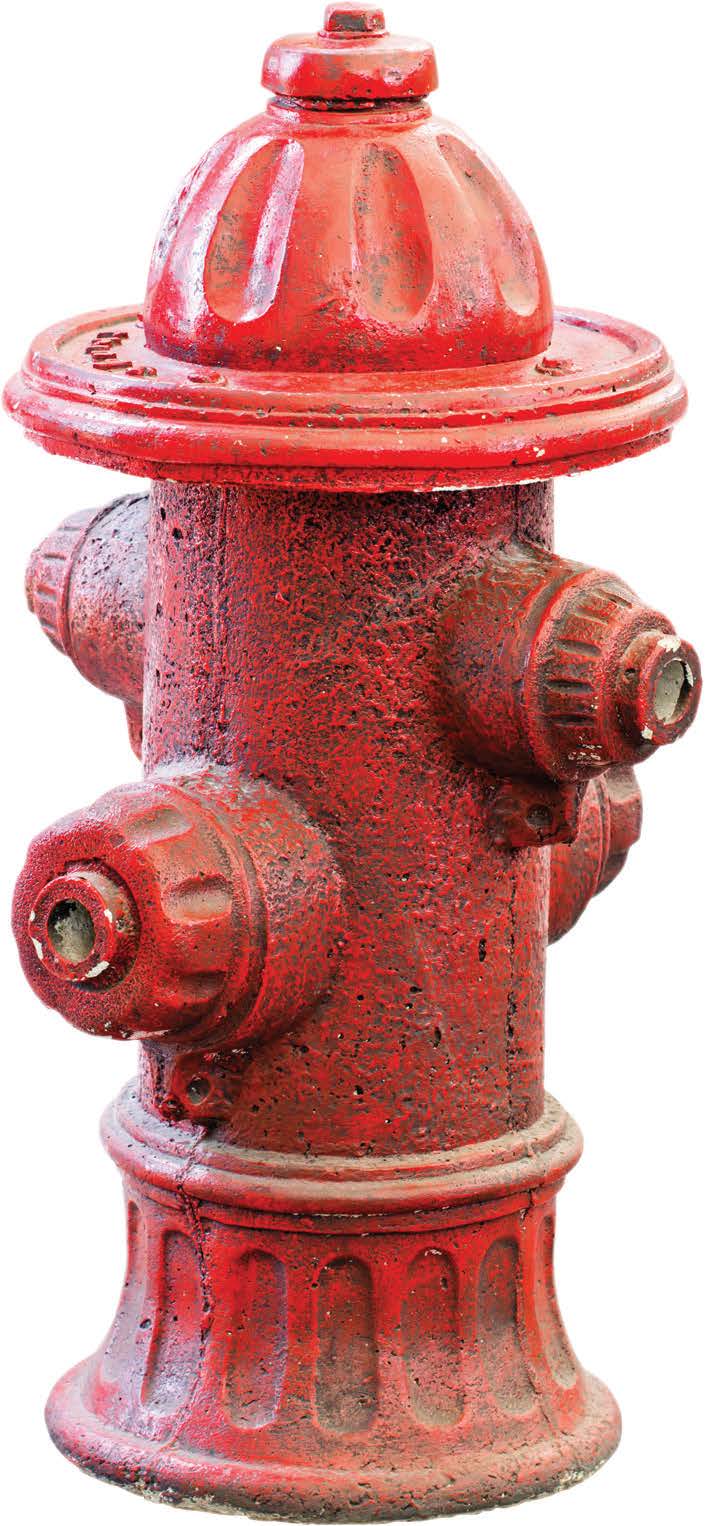
Imagine a blazing inferno consuming a building, its flames leaping towards the sky. In such a desperate situation, a crucial lifeline emerges: the fire hydrant. But what exactly is this unassuming fixture made of? Understanding the materials behind fire hydrants is essential for ensuring their durability and effectiveness in combating flames.
Fire hydrants, those ubiquitous red pillars standing guard on our streets, are more than just simple water dispensers. These vital components of firefighting infrastructure are designed to withstand extreme pressure, heat, and impact. To meet these demands, fire hydrants are typically constructed from rugged materials that can endure the rigors of firefighting operations. But what specific materials are used, and why? Delving into the composition of fire hydrants reveals a fascinating blend of engineering and material science.
What Is A Fire Hydrant Made Of?
Fire hydrants are essential components of any fire protection system. They provide firefighters with a reliable source of water to extinguish fires. But what are fire hydrants made of?
The answer is not as simple as you might think. Fire hydrants can be made of a variety of materials, including cast iron, ductile iron, and even plastic. The type of material used depends on a number of factors, such as the local climate, the soil conditions, and the expected water pressure.
In general, cast iron is the most common material used for fire hydrants. Cast iron is durable and long-lasting, and it can withstand the high pressures that are often required in fire fighting operations. However, cast iron is also relatively heavy, which can make it difficult to install and maintain.
Ductile iron is a newer material that is becoming increasingly popular for fire hydrants. Ductile iron is lighter and more flexible than cast iron, which makes it easier to install and maintain. Ductile iron is also more resistant to corrosion, which makes it a good choice for areas with harsh weather conditions.
Plastic is also a relatively new material that is being used for fire hydrants. Plastic is lightweight and corrosion-resistant, and it can be easily molded into different shapes and sizes. However, plastic is not as strong as cast iron or ductile iron, so it is not suitable for all applications.
The type of material used for a fire hydrant is an important consideration. The material must be able to withstand the high pressures and temperatures that are involved in firefighting operations, and it must also be able to resist corrosion and other environmental factors.
What is a Fire Hydrant Made Of?
A fire hydrant is a device that provides water to firefighters to extinguish fires. It is typically made of cast iron or ductile iron and is buried underground. The hydrant has a valve that is opened to allow water to flow out through the hydrant's nozzles.
Fire hydrants are typically painted red so that they can be easily identified in an emergency. They are also marked with a number that indicates the size of the water main that they are connected to. The larger the number, the larger the water main and the more water that the hydrant can provide.
Fire hydrants are an essential part of firefighting operations. They provide firefighters with a reliable source of water to extinguish fires quickly and efficiently.
What Is A Fire Hydrant Made Of? - Types
Fire hydrants are an essential part of any city's fire protection system. They provide a ready source of water for firefighters to battle blazes. But what exactly are fire hydrants made of? And what are the different types of fire hydrants?
The most common type of fire hydrant is made of cast iron. Cast iron is a strong and durable material that is resistant to corrosion. It is also relatively inexpensive to produce, making it a good choice for fire hydrants.
Other materials that are sometimes used to make fire hydrants include:
- Steel
- Bronze
- Aluminum
- Plastic
The type of material used to make a fire hydrant will depend on a number of factors, including the climate, the soil conditions, and the availability of materials. For example, cast iron fire hydrants are well-suited for areas with cold climates, as they are less likely to freeze and burst. Plastic fire hydrants are often used in areas with warm climates, as they are lightweight and easy to install.
In addition to the material they are made of, fire hydrants also come in a variety of types. The most common type of fire hydrant is the pillar hydrant. Pillar hydrants are typically installed in the ground and have a vertical standpipe that connects to the water main. Other types of fire hydrants include:
- Wall hydrants
- Flush hydrants
- Gate hydrants
- Dry hydrants
The type of fire hydrant that is used in a particular area will depend on a number of factors, including the size of the community, the layout of the streets, and the availability of water sources. For example, wall hydrants are often used in densely populated areas, as they can be installed on the side of buildings. Gate hydrants are often used in rural areas, as they can be easily accessed by firefighters in remote locations.
Fire hydrants are an essential part of any city's fire protection system. They provide a ready source of water for firefighters to battle blazes. The type of material used to make a fire hydrant and the type of hydrant that is used in a particular area will depend on a number of factors, including the climate, the soil conditions, the availability of materials, the size of the community, the layout of the streets, and the availability of water sources.
What Is A Fire Hydrant Made Of? - Maintenance
A fire hydrant is a connection point between the water supply system and the fire department's hoses. It is used to provide water to firefighters to extinguish fires. Fire hydrants are typically made of cast iron or ductile iron and are buried underground. The top of the hydrant is visible above ground and has a cap that is removed to connect the hose.
- Cast Iron: Cast iron is a type of iron that is made by pouring molten iron into a mold. It is a strong and durable material that is resistant to corrosion. Cast iron hydrants are typically used in areas where there is a high risk of fire, such as in urban areas.
- Ductile Iron: Ductile iron is a type of iron that is made by adding magnesium to cast iron. This makes the iron more ductile, which means that it is less likely to break. Ductile iron hydrants are typically used in areas where there is a lower risk of fire, such as in rural areas.
Fire hydrants are also equipped with a variety of features to ensure that they function properly. These features include:
- A valve: The valve is used to control the flow of water from the hydrant. The valve is typically opened by turning a wheel or lever.
- A bonnet: The bonnet is a cover that protects the valve from the elements. The bonnet is typically made of cast iron or ductile iron.
- A stem: The stem is a rod that connects the valve to the wheel or lever. The stem is typically made of stainless steel.
Fire hydrants are an important part of the firefighting system. They provide firefighters with a quick and easy way to access water to extinguish fires. Fire hydrants are also relatively inexpensive to install and maintain, making them a cost-effective way to protect property and lives from fire.
Maintenance
Fire hydrants require regular maintenance to ensure that they are in good working order. This maintenance includes:
- Inspecting the hydrant for damage: The hydrant should be inspected for any damage to the valve, bonnet, stem, or other components. Any damage should be repaired immediately.
- Lubricating the valve: The valve should be lubricated regularly to ensure that it operates smoothly.
- Testing the hydrant: The hydrant should be tested regularly to ensure that it is flowing properly. The test should be conducted by opening the valve and allowing water to flow through the hydrant.
By following these maintenance procedures, you can help ensure that your fire hydrants are always in good working order and ready to use in the event of a fire.
What Is A Fire Hydrant Made Of?
Fire hydrants are an essential part of any fire protection system. They provide a ready source of water for firefighters to use to extinguish fires. Fire hydrants are typically made of cast iron or ductile iron, which are both strong and durable materials. The hydrant body is usually cylindrical in shape and has a flanged base that is bolted to the water main. The hydrant head is located at the top of the body and contains the valve that controls the flow of water. The head also has a cap that is used to protect the valve from damage.
In addition to the body and head, fire hydrants also have a number of other components, including:
- A stem: The stem is the vertical rod that connects the valve to the head. When the stem is turned, it opens or closes the valve.
- A bonnet: The bonnet is the housing that surrounds the stem. It helps to protect the stem from damage and keeps the valve from leaking.
- A packing gland: The packing gland is a seal that prevents water from leaking around the stem. It is usually made of rubber or leather.
- A drain valve: The drain valve is a small valve that is located at the bottom of the hydrant body. It is used to drain the hydrant of water when it is not in use.
Fire hydrants are an important part of any fire protection system. They provide firefighters with a ready source of water to use to extinguish fires. Fire hydrants are typically made of cast iron or ductile iron, which are both strong and durable materials.
What Are Fire Hydrants Made Of?
Fire hydrants are essential safety devices that provide firefighters with access to water to extinguish fires. They are typically made of cast iron, which is a strong and durable material that can withstand the high pressure of water flowing through them. Some newer hydrants may be made of other materials, such as ductile iron or PVC, but cast iron is still the most common material used.
The main body of a fire hydrant is typically cylindrical in shape and has a large opening at the top for firefighters to connect their hoses. The hydrant also has a valve that can be opened or closed to control the flow of water. The valve is typically operated by a wrench or a handwheel.
In addition to the main body, fire hydrants also have several other components, including:
- A bonnet, which is a cover that protects the valve
- A stem, which connects the valve to the handwheel
- A packing gland, which seals the stem to prevent water from leaking
- A nozzle, which is a short pipe that connects the hydrant to the firefighter's hose
Fire hydrants are typically painted red so that they are easily visible in an emergency. They are also often located near buildings or other structures that are at risk of fire.
Frequently Asked Questions:
What is a fire hydrant made of?
Fire hydrants are typically made of cast iron, which is a strong and durable material that can withstand high water pressure and extreme temperatures. Cast iron is also relatively inexpensive, making it a cost-effective choice for fire hydrant construction.
What are the different types of fire hydrants?
There are two main types of fire hydrants: wet barrel hydrants and dry barrel hydrants. Wet barrel hydrants are the most common type, and they have a barrel that is filled with water at all times. Dry barrel hydrants have a barrel that is only filled with water when the hydrant is opened. Dry barrel hydrants are typically used in areas where the temperature drops below freezing, as they are less likely to freeze and burst.
What are the different parts of a fire hydrant?
The main parts of a fire hydrant include the barrel, the bonnet, the stem, the gate, and the seat. The barrel is the main body of the hydrant, and it contains the water. The bonnet is the top part of the hydrant, and it houses the stem and the gate. The stem is the vertical rod that opens and closes the gate. The gate is the valve that controls the flow of water from the hydrant. The seat is the surface that the gate rests against when the hydrant is closed.
How does a fire hydrant work?
When a firefighter connects a hose to a fire hydrant, they open the gate by turning the stem. This allows water to flow from the hydrant through the hose and to the fire. The water pressure in the hydrant is typically high enough to reach the top of even the tallest buildings.
How are fire hydrants maintained?
Fire hydrants are typically inspected and maintained on a regular basis to ensure that they are functioning properly. Maintenance tasks may include checking the water pressure, lubricating the moving parts, and replacing any worn or damaged parts.