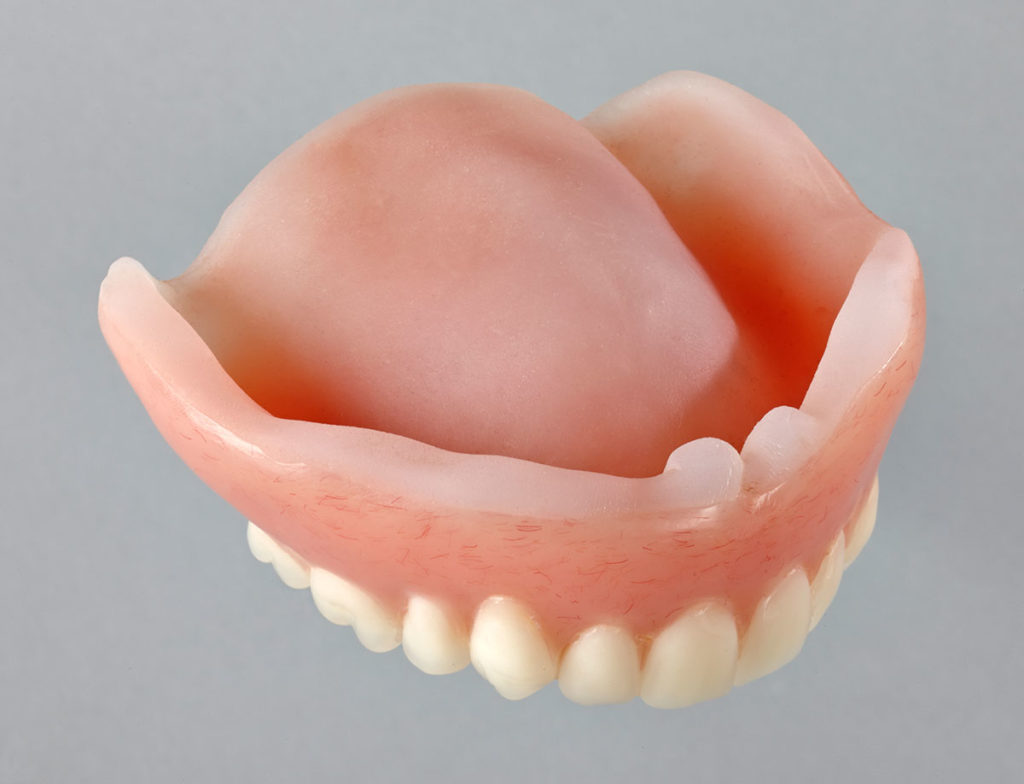
If you're considering getting dentures, you may be wondering what a soft liner for dentures looks like. Soft liners are a thin layer of material that is applied to the inside of the denture base. They can be made from a variety of materials, including silicone, acrylic, and polyurethane. Soft liners are designed to provide a more comfortable fit for dentures, and they can also help to reduce irritation and sores.
Soft liners are typically clear or pink in color, but they can also be made in a variety of other colors to match the color of your gums. They are usually about 1-2 millimeters thick, and they are applied to the denture base using a special adhesive. Soft liners can be added to new or existing dentures, and they can be replaced as needed. In appearance, they are smooth and have a gel-like consistency, providing a soft and flexible cushion between the denture and the gums.
What Is a Soft Liner for Dentures?
A soft liner for dentures is a thin layer of soft, resilient material that is placed between the denture base and the gums. It acts as a cushion, providing comfort and support to the wearer. Soft liners can be made from a variety of materials, including silicone, acrylic, and polyurethane. They are typically custom-made to fit the wearer's mouth, and can be either temporary or permanent.
Benefits of Soft Liners
- Improved comfort: Soft liners can help to reduce pressure points and irritation, making dentures more comfortable to wear.
- Increased stability: Soft liners can help to keep dentures in place, preventing them from slipping or moving around in the mouth.
- Improved chewing function: Soft liners can help to improve chewing function by providing a more stable base for the dentures.
- Reduced gum irritation: Soft liners can help to reduce irritation and inflammation of the gums, which can be caused by ill-fitting dentures.
Types of Soft Liners
There are two main types of soft liners: temporary and permanent.
- Temporary soft liners are designed to be used for a short period of time, such as during the healing process after dentures have been fitted. They are typically made from a soft, pliable material, such as silicone, and can be easily removed and replaced.
- Permanent soft liners are designed to be used for a longer period of time, and are typically made from a more durable material, such as acrylic or polyurethane. They are permanently attached to the denture base, and cannot be removed without damaging the denture.
How to Choose the Right Soft Liner
The type of soft liner that is right for you will depend on your individual needs and preferences. If you are only experiencing minor discomfort with your dentures, a temporary soft liner may be sufficient. However, if you are experiencing more severe discomfort or irritation, a permanent soft liner may be a better option.
Your dentist can help you to choose the right soft liner for your needs. They will take into account your individual oral health, the condition of your dentures, and your lifestyle.
Care for Soft Liners
Soft liners require special care to keep them clean and in good condition. You should brush your dentures with a soft-bristled toothbrush and a mild denture cleanser at least once a day. You should also soak your dentures in a denture cleaning solution overnight.
Avoid using harsh chemicals or abrasive cleaners on your dentures, as these can damage the soft liner. You should also avoid eating sticky or hard foods, as these can also damage the soft liner.
With proper care, a soft liner can last for several years. However, it is important to have your dentures checked by your dentist regularly to ensure that the soft liner is in good condition and that your dentures are still fitting properly.
How Does a Soft Liner for Dentures Work?
A soft liner for dentures is a thin layer of soft, flexible material that is applied to the inside of a denture. It is designed to cushion and protect the gums and underlying tissues, and to provide a more comfortable fit. Soft liners can be made from a variety of materials, including silicone, acrylic, and polyurethane.
Soft liners work by creating a barrier between the hard acrylic or metal of the denture and the soft tissues of the mouth. This barrier helps to reduce pressure and friction, which can cause pain and irritation. Soft liners can also help to absorb shock and vibration, which can make chewing and speaking more comfortable.
In addition to providing comfort, soft liners can also improve the fit of a denture. By cushioning the gums, soft liners can help to prevent the denture from moving around in the mouth. This can make it easier to speak and eat, and can also help to prevent the denture from falling out.
Soft liners are typically applied to dentures by a dentist or denturist. The process is relatively simple and can be completed in a single visit. The dentist or denturist will first clean the denture and then apply a thin layer of soft liner to the inside of the denture. The soft liner will then be allowed to cure, which usually takes about 24 hours.
Soft liners can be a great way to improve the comfort and fit of a denture. If you are experiencing pain or irritation from your denture, talk to your dentist or denturist about whether a soft liner may be right for you.
What Are the Benefits of a Soft Liner for Dentures?
A soft liner is a thin layer of material that is placed between the denture base and the gums. It can be made from a variety of materials, including silicone, acrylic, or polyurethane. Soft liners are used to improve the fit and comfort of dentures, and they can also help to reduce irritation and pain.
There are many benefits to using a soft liner for dentures, including:
- Improved fit and comfort: Soft liners can help to create a more precise fit for dentures, which can reduce movement and irritation.
- Reduced irritation and pain: Soft liners can help to cushion the gums and reduce pressure points, which can help to reduce irritation and pain.
- Improved retention: Soft liners can help to improve the retention of dentures, which can make it easier to speak and eat.
- Reduced risk of infection: Soft liners can help to create a barrier between the denture and the gums, which can help to reduce the risk of infection.
If you are considering getting dentures, talk to your dentist about whether a soft liner is right for you. Soft liners can provide a number of benefits, and they can help to improve the quality of your life.
What Are the Disadvantages of a Soft Liner for Dentures?
A soft liner for dentures is a thin layer of soft, cushioning material that is applied to the inside of a denture. It can be used to improve the fit and comfort of the denture, and to reduce irritation to the gums. However, there are also some disadvantages to using a soft liner.
1. Durability
Soft liners are not as durable as the acrylic used to make dentures. They can wear down over time, and they may need to be replaced more often than a traditional denture.
2. Hygiene
Soft liners can be more difficult to clean than traditional dentures. Food and bacteria can become trapped in the soft liner, which can lead to infection.
3. Cost
Soft liners are more expensive than traditional dentures. The cost of a soft liner can vary depending on the type of material used and the size of the denture.
4. Unnatural Appearance
Some people may find that a soft liner gives their dentures an unnatural appearance. The soft liner can make the dentures look bulky and less natural-looking.
5. Taste and Odor
Soft liners can absorb flavors and odors from food and drink. This can lead to an unpleasant taste or odor in the mouth.
6. Allergic Reactions
Some people may be allergic to the materials used in soft liners. This can cause a rash or other allergic reaction.
7. Risk of Infection
If a soft liner is not properly cleaned, it can harbor bacteria that can lead to infection. This infection can spread to the gums and other parts of the mouth.
8. Difficulty Adjusting
Some people may find it difficult to adjust to wearing a soft liner. The soft liner can make the dentures feel bulky and uncomfortable, and it can make it difficult to speak and eat.
Who Is a Good Candidate for a Soft Liner for Dentures?
A soft liner for dentures is a thin layer of soft material that is applied to the inside of a denture. This can help to improve the fit and comfort of the denture, and can also help to protect the gums and other tissues in the mouth.
There are a number of different types of soft liners available, and the best type for you will depend on your individual needs. Some soft liners are made from silicone, while others are made from acrylic or other materials. Your dentist can help you to choose the right type of soft liner for your needs.
If you are considering getting a soft liner for your dentures, there are a few things to keep in mind. First, soft liners can only be applied to dentures that are in good condition. If your dentures are damaged or ill-fitting, you may need to have them repaired or replaced before you can get a soft liner.
Second, soft liners can wear out over time. You may need to have your soft liner replaced every few years, or more often if you wear your dentures frequently.
Third, soft liners can make your dentures more difficult to clean. You will need to brush your dentures with a soft toothbrush and a non-abrasive toothpaste. You should also soak your dentures in a denture cleaning solution every night.
How to Care for Dentures With a Soft Liner
Dentures with a soft liner are a great way to improve the fit and comfort of your dentures. The soft liner is a thin layer of material that is applied to the inside of your dentures, and it can help to cushion your gums and reduce irritation. If you have dentures with a soft liner, it is important to take special care of them to keep them in good condition.
Here are some tips on how to care for dentures with a soft liner:
- Brush your dentures regularly. Just like natural teeth, dentures need to be brushed regularly to remove plaque and bacteria. Use a soft-bristled brush and a mild denture cleanser. Be sure to brush all surfaces of your dentures, including the soft liner.
- Soak your dentures overnight. Soaking your dentures overnight in a denture-cleaning solution will help to remove plaque and bacteria and keep them fresh. You can use a commercial denture-cleaning solution or a homemade solution made with water and vinegar.
- Avoid using harsh chemicals. Harsh chemicals can damage the soft liner of your dentures. Avoid using bleach, ammonia, or other harsh chemicals to clean your dentures.
- See your dentist regularly. It is important to see your dentist regularly to have your dentures checked and adjusted. Your dentist can also check the soft liner of your dentures and make sure that it is in good condition.
By following these tips, you can help to keep your dentures with a soft liner in good condition and enjoy a comfortable and confident smile.
Frequently Asked Questions
What does a soft liner for dentures look like?
A soft liner for dentures is a thin layer of soft, pliable material that is applied to the inside of a denture to provide a more comfortable fit against the gums. It can be clear, pink, or a combination of colors, and it is usually made of silicone or other soft, resilient materials. The soft liner is designed to cushion the gums and reduce pressure points, making dentures more comfortable to wear.
What are the benefits of using a soft liner for dentures?
Soft liners for dentures offer several benefits, including:
- Increased comfort: Soft liners help to cushion the gums and reduce pressure points, making dentures more comfortable to wear for extended periods.
- Improved fit: Soft liners can help to create a more precise fit for dentures, reducing movement and irritation.
- Reduced irritation: Soft liners can help to prevent irritation and sores on the gums caused by pressure from dentures.
- Enhanced retention: Soft liners can help to improve the retention of dentures, making them less likely to slip or fall out.
How long do soft liners for dentures last?
The lifespan of a soft liner for dentures can vary depending on factors such as the type of material used, the frequency of use, and the care and maintenance of the dentures. On average, soft liners can last for 6 to 12 months before they need to be replaced.
Do soft liners for dentures need to be cleaned?
Yes, soft liners for dentures need to be cleaned regularly to maintain their effectiveness and prevent the growth of bacteria and other microorganisms. They can be cleaned using a soft toothbrush and a mild denture cleanser. It is important to avoid using abrasive cleaners or harsh chemicals, as these can damage the soft liner.
How do I care for soft liners for dentures?
To care for soft liners for dentures, it is important to:
- Clean them regularly using a soft toothbrush and a mild denture cleanser.
- Avoid using abrasive cleaners or harsh chemicals.
- Store dentures in water or a denture soaking solution when not in use.
- Visit your dentist regularly for professional cleanings and checkups.