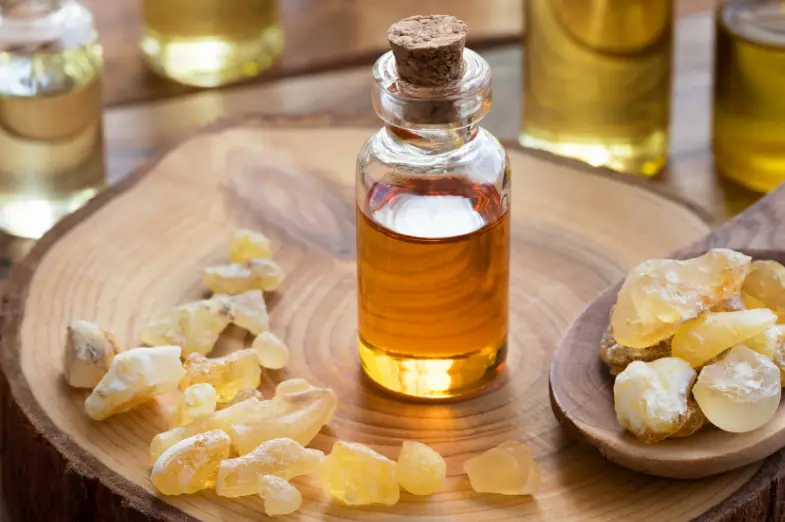
Frankincense is a natural resin derived from the Boswellia tree, renowned for its distinctive aroma and medicinal properties. Used for centuries in traditional medicine and religious rituals, frankincense has gained prominence in modern times for its potential health benefits.
The unique fragrance of frankincense is often described as woody, spicy, and balsamic. With its warm and calming notes, it evokes a sense of serenity and spirituality. Its aroma is believed to have uplifting and purifying qualities, making it a popular choice for aromatherapy and incense burning.
Frankincense's Earthy, Woody Aroma
Frankincense, an aromatic resin derived from trees of the Boswellia genus, is renowned for its distinctive and captivating scent. For centuries, it has been prized in religious ceremonies, perfumery, and traditional medicine due to its earthy, woody fragrance. Understanding the unique olfactory profile of frankincense is essential for appreciating its multifaceted用途.
Earthy Undertones
At its core, frankincense exudes a profound earthiness that grounds its scent. This earthy character stems from compounds such as alpha-pinene and beta-pinene, which are also found in pine needles and other coniferous trees. These compounds impart a fresh, resinous quality that evokes images of nature's embrace.
Woody Nuances
Complementing the earthy undertones are woody nuances that lend depth and richness to frankincense's aroma. These woody notes arise from sesquiterpenes, particularly incensole and thujopsene. Incensole contributes a warm, balsamic sweetness, while thujopsene infuses a smoky, camphoraceous facet.
Sweet and Spicy Hints
While frankincense is predominantly earthy and woody, it also exhibits subtle sweet and spicy hints. Compounds like limonene, which is commonly found in citrus peels, provide a refreshing, slightly sweet note that balances the heavier earthy and woody aspects. Additionally, traces of cinnamaldehyde, the primary constituent of cinnamon, impart a subtle spiciness that adds complexity to the overall scent profile.
Olfactory Variations
It is important to note that the scent of frankincense can vary slightly depending on the species of Boswellia tree from which it is sourced. The most common species used for frankincense production are Boswellia sacra, Boswellia carterii, and Boswellia frereana. Each species exhibits nuanced variations in its olfactory profile, with some tending towards a more earthy character, while others showcase a more pronounced woody or sweet aspect.
Conclusion
Frankincense's earthy, woody aroma is a captivating blend of nature's elements. Its complex scent profile, characterized by a grounding earthiness, warm woody nuances, and subtle sweet and spicy hints, has captivated people for centuries. Understanding the unique olfactory Eigenschaften of frankincense not only enhances the experience of using it in religious rituals or perfumery but also deepens our appreciation for the natural world's aromatic tapestry.
What Does Frankincense Smell Like?
Frankincense has a unique and complex aroma that is often described as being warm, spicy, woody, and slightly sweet. The scent of frankincense is also known for its calming and uplifting effects, making it a popular choice for use in meditation and aromatherapy.
The main aromatic compounds in frankincense are sesquiterpenes, which are also found in other plants such as myrrh and sandalwood. These compounds give frankincense its characteristic woody and spicy scent. Other compounds that contribute to the aroma of frankincense include monoterpenes, diterpenes, and triterpenes.
The overall scent of frankincense can vary depending on the species of tree from which it is harvested, as well as the growing conditions and the method of extraction. Frankincense from Boswellia sacra, for example, is known for its particularly sweet and balsamic scent, while frankincense from Boswellia serrata has a more woody and spicy aroma.
Frankincense has been used for centuries in religious ceremonies, парфюмерия, and medicine. Today, it is still prized for its unique scent and its many therapeutic benefits.
What Does Frankincense Smell Like?
Frankincense is a resin derived from the Boswellia tree. It has been used for centuries in religious ceremonies and as a traditional medicine. Frankincense has a unique, balsamic scent that is often described as warm, woody, and slightly spicy.
The main scent compounds in frankincense are:
- Alpha-pinene: This terpene gives frankincense its characteristic piney scent.
- Limonene: This terpene is responsible for the citrusy notes in frankincense.
- Myrcene: This terpene gives frankincense its earthy, musky scent.
- Thujone: This terpene is responsible for the slightly spicy scent of frankincense.
The overall scent of frankincense can vary depending on the species of Boswellia tree from which it is derived, as well as the region where the tree is grown. Frankincense from Oman is typically considered to have the highest quality and most desirable scent, with a strong, balsamic aroma. Frankincense from India is often milder in scent, with a more woody, earthy character.
Benefits of Frankincense
In addition to its unique scent, frankincense has also been shown to have a number of health benefits, including:
- Anti-inflammatory properties: Frankincense has been shown to reduce inflammation in the body, which can help relieve pain and swelling.
- Antioxidant properties: Frankincense contains antioxidants that can help protect cells from damage.
- Antimicrobial properties: Frankincense has been shown to inhibit the growth of bacteria and fungi.
- Cancer-fighting properties: Some studies have shown that frankincense may help fight cancer cells.
Uses of Frankincense
Frankincense has been used for centuries in a variety of religious ceremonies and traditional medicine practices. Today, frankincense is still used in some religious ceremonies, and it is also becoming increasingly popular in aromatherapy and other natural health applications.
Here are some common uses of frankincense:
- Aromatherapy: Frankincense essential oil can be used in a diffuser or vaporizer to create a calming and relaxing atmosphere.
- Topical application: Frankincense essential oil can be diluted with a carrier oil and applied to the skin to relieve pain and inflammation.
- Ingestion: Frankincense can be taken internally in capsule form or as a tea. However, it is important to note that frankincense should not be taken internally without first consulting with a qualified healthcare practitioner.
Conclusion
Frankincense is a unique and versatile substance with a long history of use in religious ceremonies and traditional medicine. Today, frankincense is still used in some religious ceremonies, and it is also becoming increasingly popular in aromatherapy and other natural health applications. If you are looking for a natural way to relieve pain, inflammation, or stress, frankincense may be a good option for you.
What Does Frankincense Smell Like?
Frankincense is a fragrant resin derived from the Boswellia tree and has been revered for centuries for its medicinal and spiritual properties. Its scent is equally distinctive, characterized by a warm, balsamic aroma with hints of lemon, pine, and spice.
Distinctive Lemon and Citrus Hints
One of the most notable features of frankincense is its citrusy overtones. When burned or diffused, it releases a refreshing scent reminiscent of lemon and lime. These citrus notes add a bright and invigorating quality to the overall fragrance, creating a sense of freshness and upliftment.
Balsamic and Woody Undertones
Balancing the citrusy top notes are warm, balsamic undertones. These resinous notes give frankincense its distinctive depth and richness. They evoke images of ancient forests and exotic lands, creating a sense of grounding and stability.
Spicy and Earthy Hints
Subtle hints of spice and earthiness add complexity and depth to the frankincense aroma. These notes can range from peppery to woody, depending on the specific variety of frankincense used. They provide an intriguing contrast to the citrusy and balsamic elements, creating a truly captivating and multifaceted scent.
Benefits of Frankincense's Scent
Beyond its captivating aroma, frankincense has a number of therapeutic benefits attributed to its scent. Inhaling the essential oil can help to:
- Promote relaxation and reduce stress
- Improve mood and uplift spirits
- Boost cognitive function and concentration
- Enhance immune system function
- Alleviate headaches and muscular pain
Using Frankincense for Aromatherapy
To enjoy the benefits of frankincense's scent, there are several aromatherapy methods you can use:
- Diffusion: Add a few drops of frankincense essential oil to a diffuser and disperse it into the air.
- Inhalation: Inhale directly from the bottle or apply a drop to your palms and cup them over your nose and mouth.
- Topical application: Dilute frankincense essential oil with a carrier oil and apply it to your skin.
Conclusion
Frankincense possesses a captivating and multifaceted scent that combines lemon, pine, and spice notes. Its warm, balsamic aroma evokes feelings of relaxation, grounding, and upliftment. Whether used for aromatherapy or simply enjoyed as a fragrant experience, frankincense offers a unique and unforgettable olfactory journey.
Floral and Herbal Nuances of Frankincense
Frankincense, the aromatic resin derived from the Boswellia tree, is renowned for its distinctive and captivating scent. While its primary aroma is often described as balsamic, woody, and slightly smoky, frankincense exhibits a complex olfactory profile that encompasses a range of floral and herbal nuances, which contribute to its unique character.
Rose-like Fragrance
Certain varieties of frankincense, particularly those harvested from the Boswellia sacra tree, possess a delicate rose-like fragrance. This floral note adds a touch of sweetness and complexity to the overall aroma, creating a harmonious blend of balsamic and floral elements.
Citrus Undertones
Some frankincense varieties exhibit subtle citrus undertones, reminiscent of lemon or orange peel. These citrusy notes add a refreshing and invigorating aspect to the scent, balancing the heavier balsamic and woody accords.
Herbaceous Touches
Frankincense often displays herbaceous nuances, akin to fresh herbs such as rosemary, thyme, or sage. These herbal notes contribute an earthy and slightly medicinal dimension to the aroma, adding depth and complexity to the overall olfactory experience.
Lavender-like Scents
Certain frankincense varieties, particularly those from the Boswellia carteri tree, exhibit a faint lavender-like scent. This floral and calming note adds a touch of serenity and relaxation to the aroma, making it suitable for aromatherapy and meditation practices.
Spicy Accents
Some frankincense varieties, such as those from the Boswellia frereana tree, possess subtle spicy accents, reminiscent of black pepper or cinnamon. These spicy notes add warmth and depth to the aroma, creating a captivating and stimulating olfactory experience.
The floral and herbal nuances of frankincense vary depending on the species of Boswellia tree, the geographical origin, and the harvesting and processing methods. These variations contribute to the unique olfactory profile of each frankincense variety, making it a versatile and captivating aromatic material.
Fresh and Camphoraceous Aspects
Frankincense has a fresh, camphoraceous scent that is often described as being similar to pine needles or eucalyptus. This scent is due to the presence of monoterpenes, which are organic compounds that are found in many plants. Monoterpenes are responsible for the characteristic scents of many essential oils, including frankincense oil.
The fresh, camphoraceous scent of frankincense is often used in aromatherapy to promote relaxation and relieve stress. It is also believed to have antibacterial and antifungal properties, making it a popular ingredient in natural cleaning products.
Additional Notes:
- The scent of frankincense can vary depending on the type of tree from which it is harvested.
- Frankincense oil is often used in perfumes and colognes.
- The fresh, camphoraceous scent of frankincense is often used in candles and incense.
Conclusion: The Enigmatic and Alluring Scent of Frankincense
The scent profile of frankincense is as remarkable as its history. Its distinctive aroma can be described as a harmonious blend of warm, woody notes with undertones of citrus, spice, and a hint of smokiness. Upon initial contact, the citrusy notes are prominent, reminding one of refreshing bergamot and zesty lemon. As the scent develops, the warmth of amber and myrrh emerges, creating a cozy and grounding atmosphere. The spiciness of cinnamon and clove adds a touch of complexity, while the hint of smokiness lends an aura of mystery and depth.
The allure of frankincense lies in its ability to evoke a sense of tranquility, uplift the spirit, and promote feelings of well-being. Its woody notes are known to provide a calming effect, while the citrus and spicy notes invigorate the mind and create a more balanced and focused state. The scent of frankincense has also been associated with spiritual practices and rituals, as it is believed to promote mindfulness, meditation, and a connection to the divine.
Whether it is used in aromatherapy, religious ceremonies, or simply for personal enjoyment, the scent of frankincense continues to captivate and inspire. Its enigmatic and alluring nature makes it a truly remarkable and timeless fragrance, leaving an unforgettable mark on all who experience it.
Frequently Asked Questions
What is Frankincense?
Frankincense is the aromatic resin obtained from Boswellia trees, native to the Arabian Peninsula and North-Eastern Africa. It has a warm, slightly spicy aroma and is commonly used in incense, perfumes, and traditional medicines.
What does Frankincense smell like?
Frankincense has a unique, woody and slightly citrusy scent with a hint of sweetness. It is often described as warm, spicy, and resinous.
What does Frankincense taste like?
Frankincense has a bitter and astringent taste. It is not typically consumed orally but is used as an incense or in diluted form for medicinal purposes.
What is Frankincense used for?
Frankincense has been used for centuries in religious ceremonies, meditation, and traditional medicine. It is believed to have anti-inflammatory, antimicrobial, and analgesic properties, and is commonly used to alleviate pain, reduce stress, and promote spiritual well-being.
How is Frankincense harvested?
Frankincense is harvested by making small cuts in the bark of Boswellia trees. The resin that oozes out is collected and dried, forming the raw frankincense. This resin is then purified by steam distillation or solvent extraction to produce the essential oil or absolute.