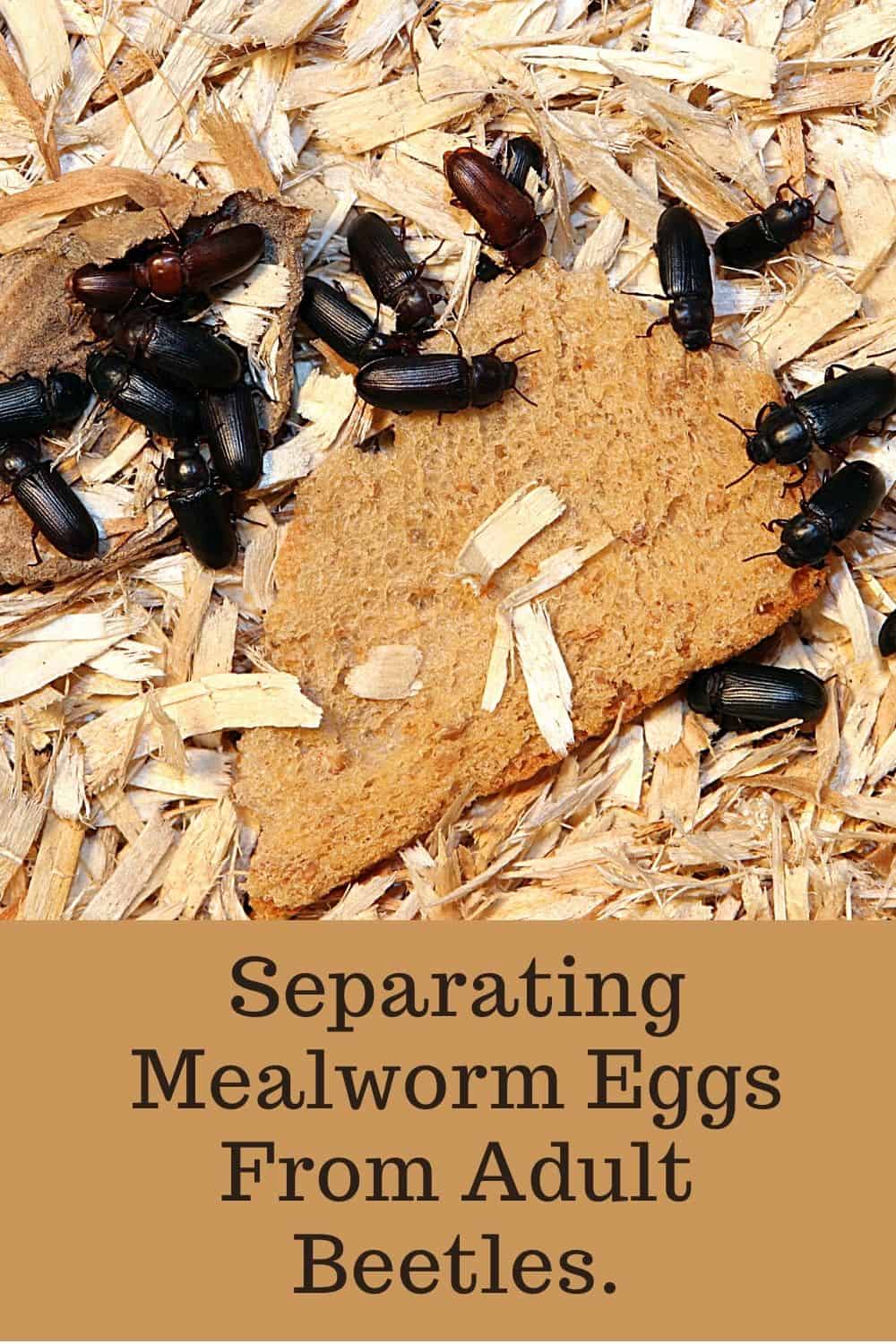
Mealworms are commonly used as a food source for reptiles, birds, and fish. They are also used as bait for fishing. Mealworms are the larvae of the darkling beetle, Tenebrio molitor. The adult darkling beetle is about 1/2 inch long and has a dark brown or black body. The mealworm larvae are about 1 inch long and have a yellowish-white body with a dark brown head.
Mealworms can be purchased at most pet stores or online. They are typically sold in containers that contain a mixture of mealworms, bran, and oatmeal. The mealworms can be stored in the refrigerator for up to 6 months. When you are ready to feed the mealworms to your pet, simply remove them from the refrigerator and allow them to warm up to room temperature. Mealworms can be fed to your pet whole or chopped up. You can also offer them a variety of fruits and vegetables, such as apples, carrots, and lettuce.
Physical Characteristics
Description
Mealworm eggs are typically oval in shape and small in size, measuring approximately 1 millimeter in length and 0.5 millimeters in width. Their color can vary from white to cream or yellow, and they have a slightly shiny or pearly appearance. The surface of the eggs is smooth and free of any noticeable markings or indentations.
Size
Mealworm eggs are very small, with an average length of 1 millimeter and a width of 0.5 millimeters. This makes them difficult to see with the naked eye, and they are often mistaken for dust or debris.
Shape
Mealworm eggs are typically oval in shape, with a slightly rounded end and a pointed end. The eggs are slightly elongated, with the pointed end being narrower than the rounded end.
Color
Mealworm eggs are typically white or cream in color, but they can also be yellow or light brown. The color of the eggs can vary depending on the age of the egg and the environment in which it was laid.
Texture
Mealworm eggs have a smooth and slightly shiny surface. They are not sticky or tacky, and they can be easily handled without damaging them.
Size and Shape
Mealworm eggs are very tiny and difficult to see. They are about the size of a grain of sand and are oval in shape. The eggs are white or cream-colored and have a smooth surface. They are often laid in clusters of 50 or more eggs.
Color and Pattern
Mealworm eggs are typically small, oval-shaped, and cream or milky-white in color. They may also have a slightly iridescent or glossy appearance. Some eggs may have a faint yellowish or greenish tint. The eggs are very smooth and uniform in texture, with no noticeable bumps or ridges.
When mealworm eggs hatch, the newly emerged larvae are small and white. They will soon start to turn yellow or orange as they mature. The larvae will eventually pupate and emerge as adults, which are black or dark brown in color.
Texture and Consistency Of Mealworm Eggs
Mealworm eggs are very small, only about 1 millimeter in length. They are oval in shape and white or cream in color. The eggs are covered in a thin, sticky membrane that helps to protect them from dehydration. When the eggs are first laid, they are soft and pliable. However, as they develop, they become harder and more brittle.
The texture of mealworm eggs can vary depending on their age. Freshly laid eggs are soft and moist, while older eggs are harder and drier. The consistency of the eggs can also vary depending on the temperature and humidity of their environment. In warm, humid environments, the eggs will be softer and more pliable. In cold, dry environments, the eggs will be harder and more brittle.
Mealworm eggs are a good source of protein and essential nutrients for mealworms. The eggs are also a good source of food for other animals, such as reptiles and birds.
Evolution and Development
Mealworms are the larval stage of the darkling beetle, Tenebrio molitor. They are commonly used as food for reptiles, birds, and other animals. Mealworms are also used as fishing bait.
Mealworm Eggs
Mealworm eggs are small, oval, and white. They are about 1 millimeter in length and 0.5 millimeters in width. Mealworm eggs are laid in clusters of 50 to 100 eggs. The eggs are covered with a thin layer of mucus.
Mealworm Larvae
Mealworm larvae are white and have a segmented body. They have a dark brown head and six legs. Mealworm larvae are about 25 millimeters in length when they are fully grown.
Mealworm Pupae
Mealworm pupae are brown and have a hard outer shell. They are about 12 millimeters in length. Mealworm pupae do not move or eat.
Adult Mealworms
Adult mealworms are black and have a hard outer shell. They are about 18 millimeters in length. Adult mealworms can fly.
Mealworm Lifecycle
The mealworm lifecycle takes about 12 weeks. The eggs hatch into larvae, which then feed and grow. The larvae molt several times before they reach their full size. The larvae then pupate, and the pupae develop into adult mealworms.
Nutritional Composition of Mealworm Eggs
Mealworm eggs are a highly nutritious food source, packed with essential nutrients that contribute to the growth and development of mealworms.
- Protein: Mealworm eggs are an excellent source of protein, providing essential amino acids necessary for muscle growth and repair.
- Fat: Mealworm eggs contain a moderate amount of fat, including both saturated and unsaturated fats. The fats provide energy and support hormone production.
- Carbohydrates: Mealworm eggs are low in carbohydrates, which are essential for energy production.
- Fiber: Mealworm eggs contain a small amount of fiber, which can promote digestive health.
- Minerals: Mealworm eggs are a good source of minerals such as calcium, phosphorus, and iron, which are important for bone health, energy metabolism, and red blood cell production.
- Vitamins: Mealworm eggs contain a variety of vitamins, including vitamin A, vitamin E, and vitamin B12. These vitamins play crucial roles in immune function, vision, and nervous system health.
The nutritional composition of mealworm eggs makes them a valuable food source for both mealworms and other insects. They provide the nutrients necessary for growth, development, and overall health.
Conclusion
Mealworm eggs are tiny, oval-shaped eggs that are white or cream in color. They are about 1 mm long and 0.5 mm wide. Mealworm eggs are laid in clusters of 10-30 eggs, and they are often found in dark, warm places, such as under rocks or in decaying wood.
Mealworm eggs hatch into larvae after about 10 days. The larvae are white and have a dark head. They feed on a variety of foods, such as grains, cereals, and vegetables. After about 2 months, the larvae pupate and emerge as adult mealworms. Adult mealworms are dark brown and have a hard exoskeleton. They are about 1 cm long and 0.5 cm wide.
Frequently Asked Questions
What do mealworm eggs look like?
Mealworm eggs are small, oval-shaped, and white or cream-colored. They are about 1 millimeter long and 0.5 millimeters wide. The eggs are clustered together in groups of 10 to 50.
Where do mealworms lay their eggs?
Mealworms lay their eggs in dark, moist places. They often choose to lay their eggs in the cracks and crevices of wood, cardboard, or other materials. They may also lay their eggs in the soil or in animal bedding.
How long does it take for mealworm eggs to hatch?
Mealworm eggs typically hatch within 10 to 14 days. The eggs will hatch faster in warmer temperatures. The larvae that emerge from the eggs are small, white, and legless.
What do mealworms eat?
Mealworms eat a variety of foods, including grains, cereals, fruits, vegetables, and meat. They are also known to eat other insects.
How long do mealworms live?
Mealworms typically live for about 3 months. However, they can live for longer if they are kept in a cool, dark place.